Bathroom Remodel Cost: What Homeowners Pay in 2026
Summary
A standard bathroom remodel cost in 2026 averages $16,500 nationally, ranging from roughly $6,600 for a cosmetic refresh to over $80,000 for a primary suite gut renovation. Labor runs 40 to 60 percent of the total budget. Prices in NYC or San Francisco can run 2 to 3 times what you'd pay in the Midwest for identical scope. Budget a 15 to 20 percent contingency on top of your contractor quotes, and always get at least three itemized bids before you sign anything.
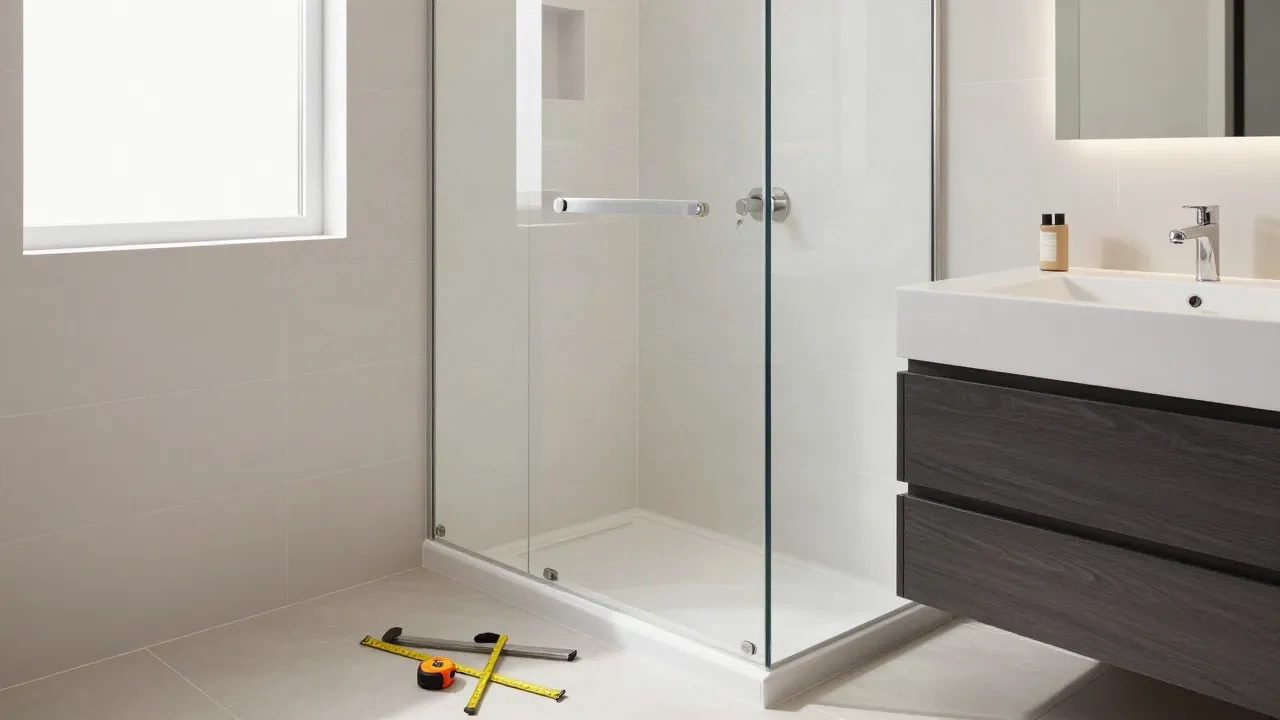
A bathroom remodel cost in 2026 runs from about $6,600 for a cosmetic refresh to well over $80,000 for a full primary suite. The national average lands at $16,500, but that figure covers a wide range of scope. What you actually pay depends on three things: the scope of work, where you live, and who you hire.
Here's what it should cost, broken down by scope, trade, and region.
How Much Does a Bathroom Remodel Cost in 2026?
The national average bathroom remodel cost in 2026 is $16,500, based on data from HomeAdvisor, Fixr, and NerdWallet tracking. That number reflects a mid-range full bathroom renovation: new tile, updated fixtures, a replaced vanity, and basic plumbing work.
Here's the realistic range by project scope:
Scope What's included Typical cost Cosmetic refresh Paint, new fixtures, vanity swap $1,500–$5,000 Powder room (half bath) Toilet, sink, vanity, tile floor $3,500–$8,000 Full bathroom update Tile, shower, tub, vanity, plumbing $12,000–$25,000 Full bathroom gut renovation Everything stripped and rebuilt $20,000–$45,000 Primary suite renovation Large footprint, custom finishes $40,000–$80,000+
These ranges assume standard licensed contractor labor and mid-grade materials. Prices vary by location, material quality, and contractor. Use these as a starting point, not a binding estimate.
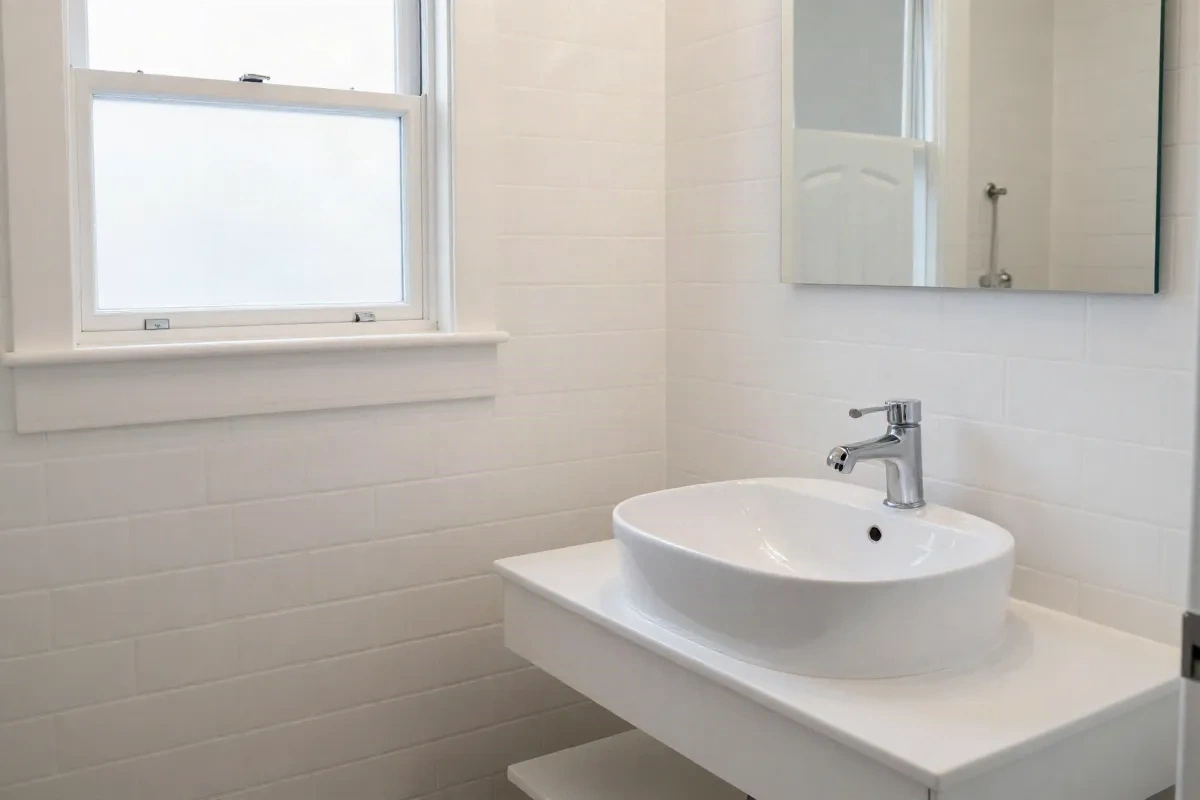
What Does a Bathroom Remodel Budget Actually Cover?
Most homeowners focus on what they'll see after the project: the tile, the vanity, the new shower. But a contractor quote breaks down differently. The typical allocation for a mid-range bathroom remodel is:
Labor: 40–60% of total cost
Materials: 30–40% of total cost
Permits and miscellaneous: 5–15% of total cost
Applied to a $20,000 bathroom project, that's roughly $9,000 in labor, $8,000 in materials, and $3,000 in permits and site costs.
Labor costs by trade (2026 US averages):
Trade Hourly rate Licensed plumber $85–$175/hr Electrician $60–$145/hr Tile installer $12–$22/sq ft General contractor markup 15–25% of total
The trades most homeowners underestimate: plumbing and waterproofing. Moving a drain two feet can add $1,000 to $3,000 to the plumbing line. Skimping on waterproofing behind the shower walls is the reason so many bathrooms need a second gut renovation 10 years later.
Material cost ranges that move the number:
Tile: $2–$30+ per square foot for materials (labor separate)
Shower pan or tub: $300–$2,500 depending on material and fit
Vanity: $400–$3,000 (box store vs. custom cabinetry)
Toilet: $200–$1,200 (standard to high-efficiency or wall-mounted)
Fixtures (faucets, shower hardware): $150–$1,500 per set
What Makes Bathroom Remodel Costs Go Up or Down?
The single biggest cost driver is scope change once work has started. A quote that started at $15,000 can hit $22,000 if you swap tile mid-project or if the contractor finds rotted subfloor once the old floor comes up.
Four factors that reliably push costs higher:
1. Relocating plumbing or electrical. Keeping your toilet and sink in the same footprint saves real money. Moving a toilet across the room to a new location can add $1,500 to $4,000 for plumbing alone.
2. Custom or imported materials. Large-format porcelain tiles (24x48 or bigger) cost more to install because they require more skill to level and cut. Imported stone adds 30–80% on top of domestic equivalents.
3. Permit complexity. Most jurisdictions require permits for structural work, electrical panel changes, and any plumbing that moves drain or supply lines. Building permits in major metros typically run $300–$1,200 for a bathroom project. Skipping permits creates problems at resale and can void homeowner's insurance on water damage claims.
4. Your city's labor market. A licensed plumber in San Francisco costs nearly twice what the same work costs in Columbus, Ohio. Geography is the variable most cost guides bury in a footnote.
5. Timing. Spring through early fall is the busiest season for bathroom contractors across most of the country. If you can schedule your project between November and February, you're negotiating from a stronger position. Some contractors offer 5–15% lower rates during their slow season to keep crews working. The tradeoff is that supply chains for materials can occasionally slow during the holidays, so ordering tile and fixtures early matters.
What Does a Bathroom Remodel Cost in Your State?
This is where the national average becomes almost useless. The same scope that costs $18,000 in Memphis runs $38,000 in the Bay Area. Here's what contractors and cost tracking services report for regional variation in 2026:
Region Cost vs. national average San Francisco, Bay Area +80–120% New York City, NJ suburbs +60–100% Boston, Seattle, LA +40–70% Chicago, Denver, Atlanta +10–25% National average baseline $16,500 Kansas City, Columbus, Memphis -20–35% Rural South, Midwest -30–45%
The national average is $16,500, but in San Francisco expect $30,000–$50,000 for a comparable mid-range bathroom remodel. Here's what it should cost in the Midwest or upper South: $9,000–$14,000 for the same scope of work.
Red flag: if your contractor quotes you a San Francisco price for work in Indianapolis, ask for an itemized breakdown before you go any further.
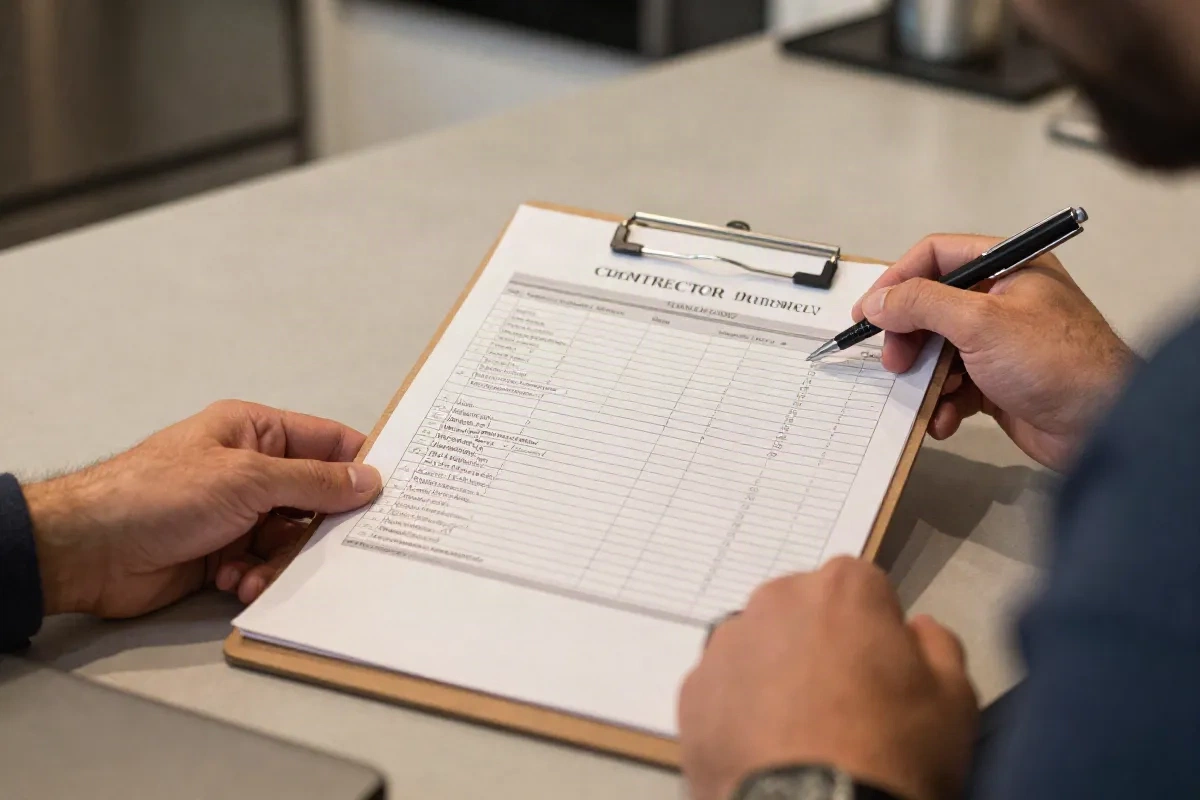
DIY vs. Hiring a Contractor: Where the Real Savings Are
DIY bathroom work can cut costs on certain tasks. Not all of them.
Where DIY saves real money:
- Demolition: doing your own demo can save $500–$1,500 in labor
- Painting: a skilled DIYer saves $400–$800 over hiring out
- Vanity and fixture installation: accessible for someone with basic plumbing skills and a half-day of time
Where DIY creates risk and future cost:
- Tile work on shower walls and floors: incorrect technique or wrong waterproofing leads to mold and a full redo in 5–7 years
- Electrical or plumbing requiring permits: unlicensed work complicates resale and voids permits
- Shower pan installation: a failed shower pan is one of the most expensive water damage events in a residential property
A realistic DIY budget for a full bathroom refresh, materials plus some contractor labor for trade work: $5,000–$15,000. Full contractor cost for the same scope: $12,000–$25,000. The math favors DIY on cosmetic work only. For trade work that requires permits, the risks typically outweigh the savings.
Always distinguish DIY cost (materials only, plus your time) from contractor cost (materials, labor, permits, and liability insurance). They're not comparable on the same line.
How to Read a Bathroom Remodel Quote Without Getting Burned
You have three quotes back: $12,000, $18,000, and $27,000. Before you sign anything, here's what to check.
Red flag: vague line items. A quote that says "Plumbing: $6,500" tells you nothing. A professional estimate itemizes scope: what pipe work, what drain relocation, what fixtures. If your quote doesn't have that detail, ask for it before you accept.
Red flag: no permit line item. Any project that moves drain lines, adds circuits, or changes structural elements needs permits. If your contractor says permits aren't needed for work that clearly requires them, that's a serious signal.
Red flag: a bid 30–40% below the others. That gap almost always means unlicensed subcontractors, material substitutions at install, or a plan to close the margin with change orders once demolition is done.
Red flag: full payment required upfront. Standard practice: a deposit of 10–30%, progress payments tied to milestones, and a final payment after a walkthrough. Anyone asking for 50–100% upfront is a problem.
Before you sign, verify three things: the contractor's state license number (check your state's licensing board website), a current liability insurance certificate naming you as additionally insured, and at least two references from projects completed in the last 12 months.
What to Do Before You Call Your First Contractor
Five things that keep the final number closer to your starting quote:
1. Lock the scope before demolition. Every mid-project change order carries a 15–25% premium over what the same work would cost if it had been in the original bid. Decide on tile, layout, and fixtures before work starts.
2. Budget a contingency of 15–20%. Older homes routinely hide corroded pipes, substandard wiring, or structural issues behind walls. On a $20,000 project, set aside $3,000–$4,000 before you need it.
3. Get at least three itemized bids. Contractor prices for identical scope vary 20–40%. Three bids give you a real read on market rate. One or two bids leave you exposed.
4. Time your project for the off-season. Bathroom contractors are busiest from April through October. Scheduling in November through February can save 5–15% in many markets.
5. Supply your own materials for high-markup items. Some contractors mark up materials 20–35%. Purchasing tile, vanities, and fixtures directly and supplying them to the contractor eliminates that markup. Get it in writing that contractor-supplied materials vs. owner-supplied materials are clearly noted in the contract.
Tools to Help You Get a Fair Estimate
Prices vary by location, material quality, and contractor. These ranges are a starting point for evaluating contractor quotes, not binding estimates. Always verify contractor licensing and insurance before signing a contract.