Bathroom Remodel Cost Guide: 2026 US Prices by Scope
Summary
A bathroom remodel costs $6,500 to $45,000 in 2026, with the national average at $15,586. Budget refreshes run $8,500-$11,000, mid-range full remodels $14,600-$19,000, and high-end primary suites $27,000-$55,000. Labor is 40-60% of the total. Regional gaps are significant: San Francisco runs 2x Columbus. Set aside a 20% contingency and verify every contractor quote against these benchmarks before you sign.
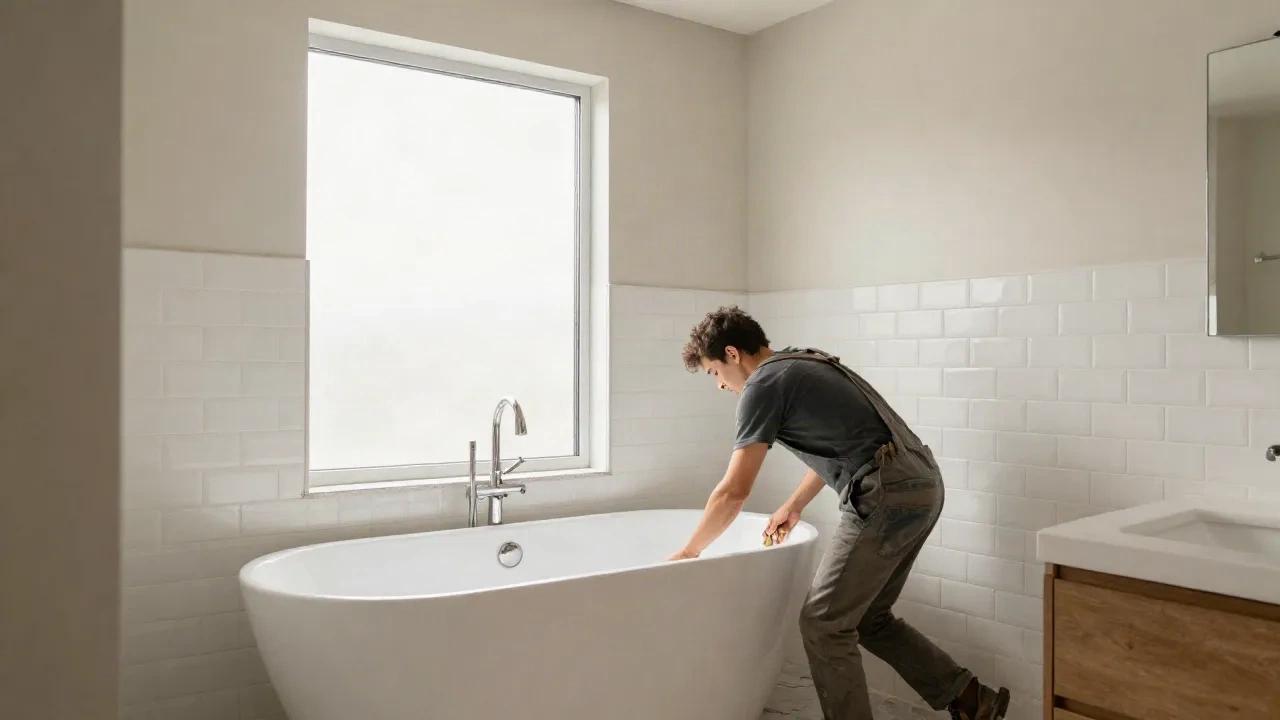
A full bathroom remodel costs between $6,500 and $45,000 in 2026, with a national average of $15,586. Most homeowners doing a standard 50-80 sq ft bathroom land between $12,000 and $20,000 for a complete update with new fixtures, tile, and vanity. What you pay depends on four things: bathroom size, how much you move plumbing, material tier, and where you live.
Before you sign anything, check this guide against the quote you received.
Prices vary by location, material quality, and contractor availability. Use these ranges as a starting point, not a binding estimate.
How Much Does a Bathroom Remodel Cost in 2026?
Here is the short answer by scope:
The national average sits at $15,586 according to survey data from This Old House covering over 1,000 homeowners in 2026. One in three reported spending more than expected. One in four discovered water damage once walls were opened. Plan for it.
Cost by Bathroom Type: Half Bath, Full Bath, and Primary Suite
Bathroom size is the biggest lever on total cost. More square footage means more tile, more labor hours, and larger vanity runs.
A powder room is the cheapest because there is no shower or tub. A primary suite is the most expensive because you are dealing with a larger tile footprint, a double vanity, and often a separate shower and soaking tub.
What Actually Drives the Price Up
Contractors mark up materials 15-25% on average. That alone pushes mid-range tile from a $3/sq ft material cost to $4-5 installed. Here are the five variables that matter most:
1. Plumbing moves. If you keep fixtures in the same spots, you save $1,500-$3,000. Move a toilet or shift the shower drain and the plumber has to repipe, which adds time and permit requirements.
2. Tile selection. Porcelain tile at $2/sq ft and luxury marble at $25/sq ft have very different installed costs. Labor for intricate patterns (herringbone, mosaic) adds $3-5/sq ft on top of the tile itself.
3. Permit requirements. Any plumbing, electrical, or structural change requires a permit in most US states. Permits run $150-$600 for a standard bathroom remodel. Contractors who skip permits are a liability to you at resale. When you sell, inspectors flag unpermitted work, and buyers can negotiate the full cost of retroactive permitting and remediation out of your sale price. The permit is not just paperwork: it is your documented proof the work was inspected and meets local code.
4. Demolition scope. Tearing out a tiled shower surround and concrete backer board runs $800-$2,300 depending on bathroom size. If you hit mold behind the wall, add $500-$3,000 for remediation.
5. Unexpected water damage. Nearly 24% of homeowners in the This Old House survey found moisture damage inside the walls. Budget a 20% contingency on whatever your quote comes in at.
The Full Cost Breakdown by Component
Here is where the money actually goes in a standard mid-range full bathroom remodel:
Plumbing is the line item most homeowners underestimate. It shows up in 67% of bathroom remodels and averages $5,545, including the labor to rough-in or adjust supply and drain lines. If your contractor is not breaking out plumbing separately in the bid, ask why.
What Contractors Charge Per Hour in 2026
Labor runs 40-60% of a typical bathroom remodel budget. These are the hourly ranges for individual trades in 2026:
A plumber charging $120/hr in Columbus, Ohio becomes $175-$195/hr in Seattle or Boston for the exact same work. That gap compounds across a 20-30 hour plumbing scope.
Red flag: if your contractor quotes a flat lump sum without breaking out labor hours per trade, that is a number you cannot verify. Push for a line-item bid.
Bathroom Remodel Costs by Region: The Real Gap
The national average means almost nothing in isolation. Here is what scope affects price by region:
California is 2-3x the cost of Missouri for a comparable scope. Higher labor costs, stricter code enforcement, and permit timelines all compound. If your quote comes in well below the regional floor, find out why before you hand over a deposit.
Red Flags: When a Contractor Quote Is Off
Here is what contractors do not always tell you about the numbers:
The quote skips permit costs. A licensed bathroom remodel in most states requires pulling at least a plumbing permit. If the bid does not include permit fees, either the contractor is planning to work without one, or they will add it later. Ask upfront.
Materials are not itemized. A quote that says "tile installation: $4,200" without specifying tile cost, square footage, and labor hours is a quote you cannot shop. Get a materials list.
The bid is suspiciously low. Mid-range remodels in the Midwest should not come in at $6,000 unless scope is extremely limited. Lowball quotes often precede mid-project change orders that push the final number above market rate anyway.
No workmanship warranty. Licensed contractors typically offer a 1-year workmanship warranty on labor. Materials carry manufacturer warranties separately. If your contractor does not mention this, ask about it in writing.
They want more than 30% upfront. A deposit of 10-30% is standard. Anything above 50% upfront is unusual and increases your exposure if work quality issues arise.
How to Get an Accurate Quote Before You Sign
The best way to know if a quote is fair is to benchmark it against actual scope data before you start calling contractors.
Start by taking photos of your existing bathroom: the current layout, fixture positions, tile condition, and any visible damage. A photo-based quote tool can match your existing conditions to realistic cost ranges for your zip code before a contractor sets foot in your house. That way you walk into every contractor meeting knowing the number you should be hearing, not the number they want to give you.
Get three bids minimum. For a bathroom remodel above $15,000, that is not optional. Labor pricing alone can vary 20-30% between licensed contractors in the same market.
Ask each contractor to confirm they will pull all required permits, carry general liability insurance, and provide a written workmanship warranty. Walk away if any of those three are missing.
For larger remodels, a home equity line of credit (HELOC) or a personal renovation loan typically costs less than financing through a contractor's preferred lender. Compare rates before you commit to any financing proposal bundled into a bid.
The national average is $15,586. In your state, it may be $11,000 or $28,000. The only number that matters is the one grounded in your specific bathroom, your zip code, and a line-item bid from a licensed contractor you can verify.
Planning and Research Tools Worth Knowing
A few tools help homeowners research costs, track budgets, and verify contractor rates before committing to a project scope.
For homeowners treating a bathroom upgrade as a home value investment, financial research tools can model expected returns against local real estate data. A mid-range bathroom remodel returns roughly 66-71 cents on the dollar at resale, one benchmark worth factoring into your decision before you go high-end on finishes.
Tracking renovation costs across multiple bids is easier with a structured budget tool. Knowing exactly how much each scope change adds to the total before you approve it is the single best way to avoid the 30-40% budget overruns that one in three homeowners experience.
Before hiring any contractor, check that they have a professional web presence with verifiable reviews, licensing information, and past project photos. A contractor with no traceable online presence has no independently checkable track record, and that is itself a data point.
Also add 100 dollars to your contingency budget for every year your bathroom is more than 20 years old. Older bathrooms hide more surprises behind the tile: galvanized pipes, knob-and-tube wiring, asbestos in floor mastic. None of these are catastrophic if caught early, but all of them add cost if discovered mid-job.