Drywall Repair Cost: What US Homeowners Pay in 2026
Summary
Drywall repair costs $75-$150 for small holes and $400-$800 for large patches or water damage. The national average sits around $350-$610. What most guides skip: the texture match adds cost as high as the repair itself, and every contractor has a $100-$250 minimum call-out fee regardless of hole size. Location matters too - San Francisco runs 2x what you pay in Indianapolis.
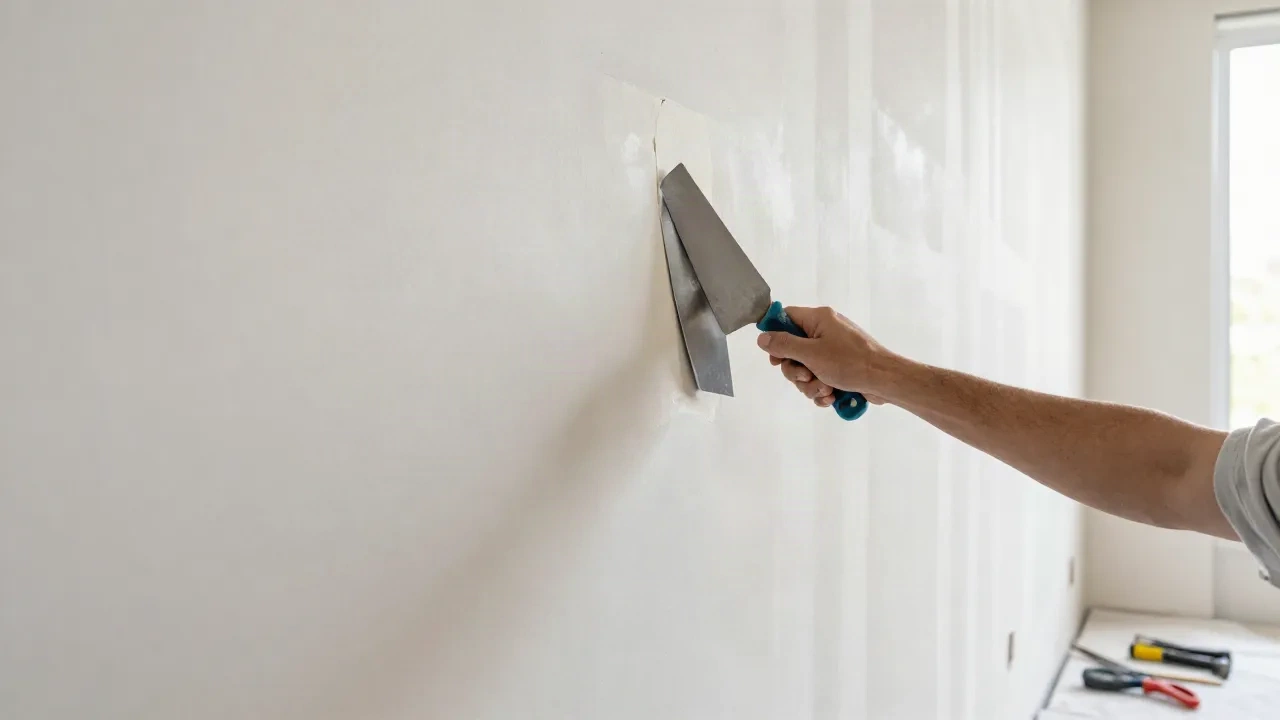
The national average drywall repair cost runs between $350 and $610 for most jobs. Small holes under 4 inches land between $75 and $150. Large patches, ceiling repairs, or anything involving water damage push well past $400. Before you sign anything, here is what determines those numbers - and how to tell whether the quote in front of you is fair or inflated.
Prices vary by location, material quality, and contractor. Use these ranges as a starting point, not a binding estimate.
What Does Drywall Repair Cost on Average?
Most homeowners pay between $200 and $550 for a drywall repair, according to Fixr's 2026 cost data. The national midpoint sits around $350. Angi's aggregated job data puts the figure higher - an average of $609, with a typical range of $295 to $925.
The gap between those two numbers is not a mistake. It reflects the difference between small, straightforward repairs (a handful of nail holes, a single 4-inch patch) and more involved work (a full sheet replacement, water damage remediation, or a ceiling job that requires a lift).
Quick reference by repair scope:
Small hole, under 4 inches: $75 - $150
Medium hole, 4 to 12 inches: $150 - $350
Large hole or full sheet: $400 - $800
Water damage repair: $400 - $1,200
Entire room retexture: $450 - $2,000
What Drives the Price Up or Down?
Several factors explain why two quotes for the same-looking hole can be $200 apart.
Size and number of repairs. Contractors have a minimum job charge - usually between $100 and $250 - regardless of damage size. One nail hole costs you the same as five because the drive time, setup, and cleanup are identical. If you have multiple small repairs, bundle them into one visit.
Ceiling vs. wall. Ceiling repairs run 20 to 40 percent higher than comparable wall jobs. Working overhead is slower, physically harder, and carries a higher risk of poor texture blending.
Drywall thickness. Standard walls use half-inch drywall. Garage walls, bathrooms, and some older homes use five-eighths-inch. Thicker board costs more per sheet and requires specific anchors and compound depths.
Geographic market. A repair that costs $200 in Columbus, Ohio will run $400 to $500 in San Francisco. Labor markets drive this gap more than materials.
How Does Damage Type Change the Quote?
Not all drywall problems are priced the same way, and understanding the difference helps you evaluate a contractor's line items.
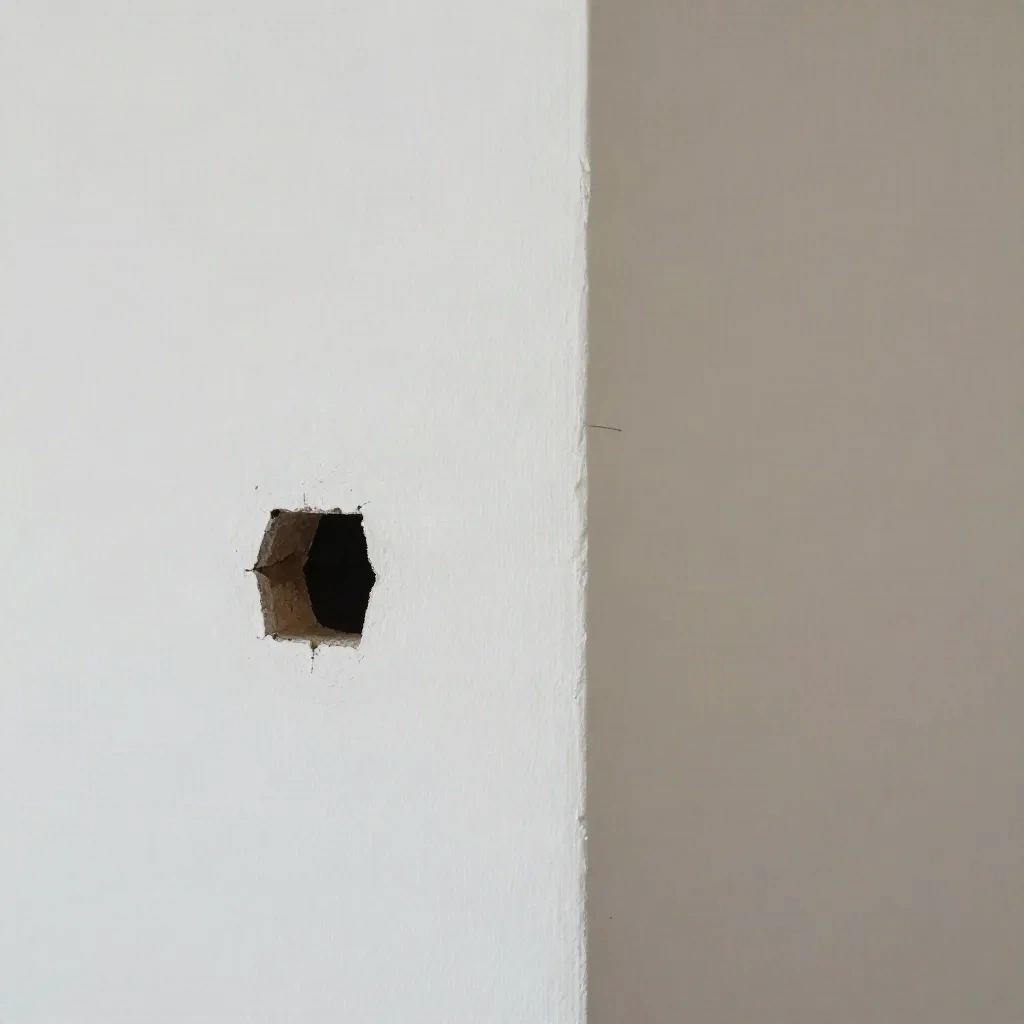
Nail holes and hairline cracks ($60 - $120) are the cheapest category. A handyperson or painter can handle most of these.
Standard holes (4 to 12 inches) ($150 - $350) require cutting the damaged section, adding backing, installing a patch, applying compound in multiple coats, sanding, and priming. Figure at least two visits: one for taping and mud, one after drying for sanding and prime coat.
Water damage ($400 - $1,200) is a different animal. The drywall is often the cheapest part. If moisture reached the insulation or framing, you are looking at mold remediation and possible structural repair on top of the drywall work. Always ask the contractor to identify the source before replacing the board - otherwise you are patching the same spot six months later.
Ceiling holes and vaulted ceilings ($400 - $1,000) require scaffolding or a lift rental, which gets baked into your quote. A 2-square-foot ceiling patch can cost double what the same repair costs on a wall.
The Texture Match Trap Most Homeowners Miss
Here is what contractors do not always tell you upfront: matching the existing wall texture can cost as much as the repair itself.
If your walls have a smooth finish, texture matching is straightforward. But most American homes built between 1960 and 2000 have one of several applied textures - orange peel, knockdown, skip-trowel, or popcorn (acoustic). Getting a patch to blend visually requires skill, the right tools, and sometimes spray equipment.
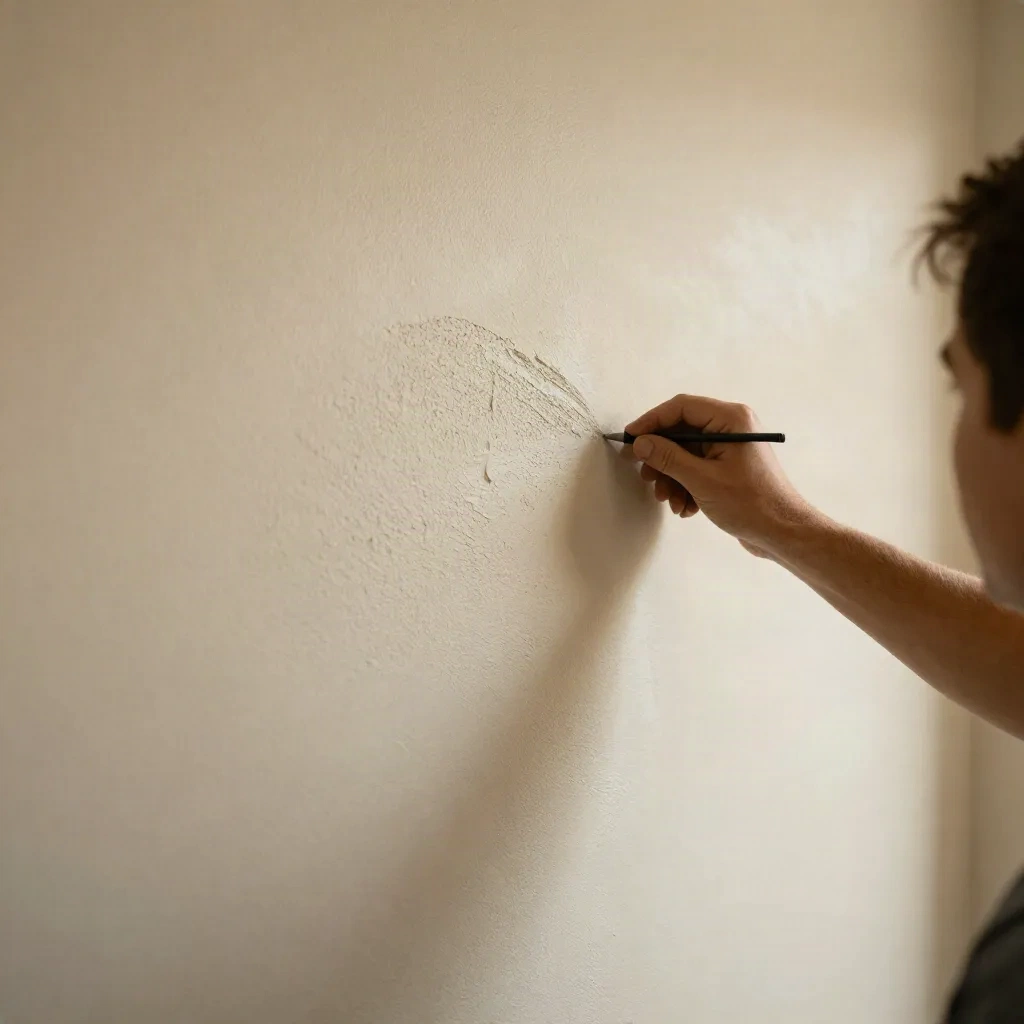
Retexturing runs $1 to $3 per square foot - but on small patches, the effective rate is much higher because setup time does not scale down proportionally.
Popcorn texture is the most expensive to match and the hardest to get right. If your contractor says "I will do my best" without showing you examples of previous matches, ask for references before proceeding.
The question to ask before signing: "Will the patched area be visually indistinguishable from the surrounding wall after paint?" If the answer involves caveats, factor in the possibility that you are paying for a repair that will still be visible.
Red flag: if your contractor quotes texture matching at more than the base repair cost without explaining why, ask for a breakdown.
DIY vs. Hiring a Contractor: When the Math Breaks Down
A DIY drywall patch kit costs between $10 and $50 at any hardware store. The question is not whether you can buy the materials - it is whether you can produce a result that does not look patched.
DIY makes sense when:
The hole is under 1 to 2 inches
The wall has a smooth finish
You are painting over the entire wall anyway
You are comfortable with the three-step process: patch, sand, prime
Call a licensed contractor when:
The hole is larger than 4 to 6 inches
The wall has any applied texture (orange peel, knockdown, popcorn)
It is a ceiling repair
There is any sign of moisture or discoloration around the damage
The repair is near an electrical box, pipe, or HVAC duct
The math breaks down on texture matching. A failed DIY attempt on a knockdown wall typically costs more to fix than hiring a pro from the start - you are now paying the contractor to repair a larger area and remove your patch materials.
For context: Fixr's 2026 drywall repair data puts the average contractor job at $350 while a DIY kit for a comparable small repair runs $10 to $50. The savings are real on simple jobs. They evaporate on anything with texture.
How Does Location Change What You Pay?
The national averages in this guide are a starting point. Your zip code matters more than the size of the hole.
High-cost markets (expect 1.5x to 2.5x the national average):
San Francisco, CA
New York City, NY
Boston, MA
Seattle, WA
Washington, DC
Mid-range markets (close to national average):
Chicago, IL
Denver, CO
Atlanta, GA
Phoenix, AZ
Below-average markets (expect 20 to 40 percent below average):
Columbus, OH
Indianapolis, IN
Kansas City, MO
Memphis, TN
Here is what it should cost in a Midwest market like Indianapolis: a medium 6-inch hole on a smooth wall runs $150 to $250. That same repair in San Francisco: $300 to $450. Same hole, same materials, different labor market.
If you are in a high-cost metro and you get a quote 30 percent above the averages in this guide, that does not automatically mean you are being overcharged. It may simply reflect local labor rates. The move in any market is to get three quotes.
Red Flags in a Drywall Repair Quote
Most homeowners only get one quote. That is the single biggest mistake in any home repair negotiation.
Flat price with no breakdown. A legitimate contractor should be able to tell you how much is labor, how much is materials, and what the texture work is billed at. If they cannot itemize, you cannot verify.
The quote includes painting the entire room. Contractors sometimes bundle full-room painting into drywall quotes when the repair only requires priming the patch. You should only be paying to paint the repaired area - unless you specifically asked for the full room.
Cash-only with no written contract. This is the most common setup for unlicensed workers. If you cannot get a written quote with a clear scope of work, walk away.
No mention of drying time. Properly applied joint compound requires 24 hours minimum between coats - often 48 hours in humid climates. A contractor who says they can complete the whole job in one afternoon is either applying a single coat (which will crack and shrink) or rushing the finish. Ask specifically: "How many coats of compound are you applying, and how much time between visits?"
No license or insurance on request. Every state maintains a public contractor license lookup tool. Before you sign anything, verify the license is active and the contractor carries liability insurance. A licensed contractor who also carries workmanship warranty protection is the standard you should be hiring.
How to Read the Numbers in Your Quote
Three line items to ask for:
1. Labor rate. Should be $60 to $90 per hour or $60 to $80 per square foot on the repaired area. If it is $120 per hour with no explanation, ask what drives the premium.
2. Materials. A standard 4x8 sheet of half-inch drywall costs $12 to $18 at a home improvement store. Joint compound runs $18 to $30 for a five-gallon bucket. If material costs look inflated by a factor of three, the contractor is marking up supply significantly.
3. Texture work. Should be itemized separately if your walls have applied texture. This protects you if the match is not clean: you can dispute the line item rather than the whole job.
A contractor who can itemize their work is generally one who knows exactly what they are doing.
Cost data sourced from Fixr.com and Angi, reflecting 2026 national pricing. Costs vary significantly by state and local labor market. Obtain at least two contractor quotes before committing to any repair.