Foundation Repair Cost in 2026: What Homeowners Actually Pay
Summary
Foundation repair costs $5,200 on average in 2026, ranging from $200 for a hairline crack to $40,000 for full underpinning. Price depends on repair method, foundation type, and soil conditions. Get three quotes, verify contractor license, and always request an independent structural engineer report before signing anything.
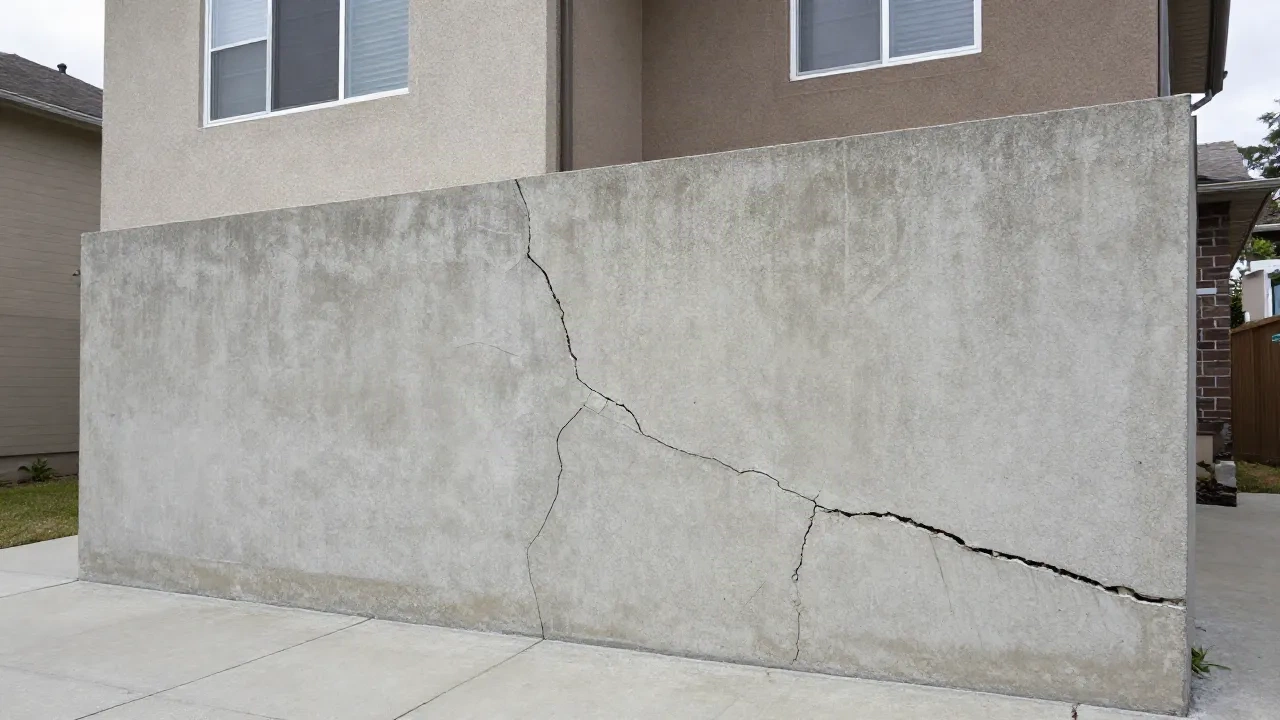
Foundation repair costs homeowners between $2,200 and $8,200 for most projects, with a national average of $5,200 in 2026. If you're dealing with a hairline crack, expect to pay $200 to $800. If the contractor is talking about piering or house lifting, you're looking at $10,000 to $40,000. Here's exactly what each repair method costs, why quotes vary so much, and what a fair price looks like depending on where you live.
Prices vary by location, material quality, and contractor. Use these ranges as a starting point, not a binding estimate.
How Much Does Foundation Repair Cost in 2026?
Most homeowners pay between $2,200 and $8,200 to repair a foundation, with a national average of $5,200. That number covers a wide range: a simple epoxy injection on a non-structural crack costs $200 to $1,000, while major underpinning with steel piers can run $10,000 to $40,000 or more.
Here's the breakdown by issue type:
Per square foot, foundation repair typically runs $1.50 to $12. However, major structural work is priced by method and number of piers installed, not by square footage.
Location matters a lot here. In California, Texas, and the Pacific Northwest, expect prices 20 to 40 percent above the national average due to higher labor costs and more challenging soil conditions. In the Midwest and much of the South, prices run at or slightly below the national average.
Here's what it should cost in the most common scenarios: a typical basement crack repair in Ohio runs $500 to $1,500. The same job in San Jose runs $900 to $2,800. A full piering job on a settling house in Dallas typically runs $12,000 to $18,000, versus $8,000 to $14,000 for a comparable property in Indianapolis.
Foundation Repair Cost by Repair Method
This is the number your contractor should be quoting from. Each method has a well-documented price range, and if a bid comes in significantly outside those bands, it deserves a direct question.
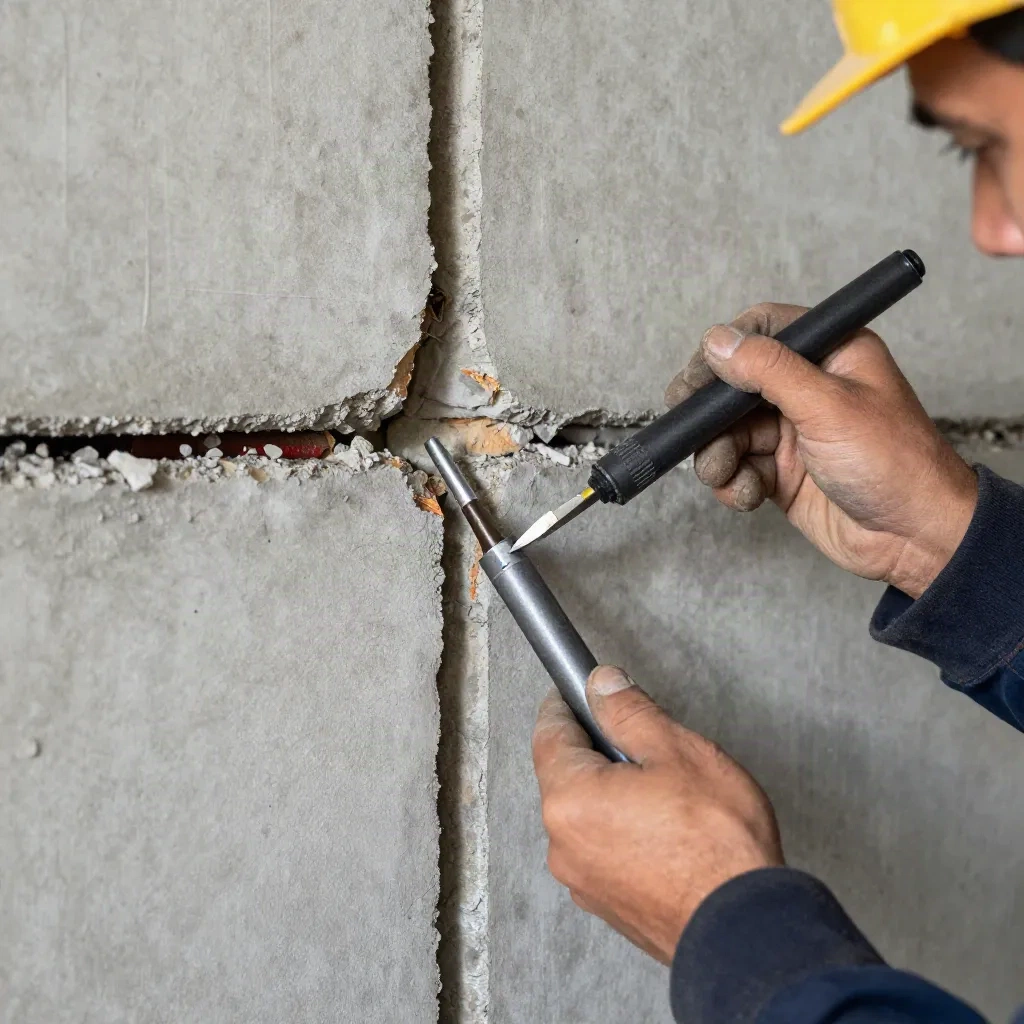
Epoxy and polyurethane injection are the entry-level repairs. Epoxy works for stable cracks that have stopped moving, and it cures harder than the surrounding concrete. Polyurethane stays flexible after curing, making it the right call for cracks that still shift with seasonal freeze-thaw cycles. Labor for either method runs $150 to $200 per hour; most small crack jobs take two to four hours on-site.
Mudjacking pumps a cement slurry under a sunken slab to lift it back to grade. It works well for sunken driveways, garage floors, and concrete sidewalks, not for foundation walls. Typical projects are completed in one day. Polyurethane foam lifting is a lighter alternative at a similar price point.
Carbon fiber straps stabilize bowing basement walls without excavation. They are bonded vertically to the inside of the wall and anchored at the floor and rim joist. No digging needed, which holds costs down compared to exterior excavation and wall replacement. They work for walls that are bowing inward less than two inches. Beyond that, tiebacks or full wall replacement are typically required.
Underpinning with steel push piers or helical piers is the standard solution for foundations that have settled. Piers are driven through unstable soil into load-bearing soil or bedrock below. Each pier costs $1,500 to $2,500 installed; most homes need 8 to 12 piers to support the full perimeter. The total range for a full piering job is $12,000 to $30,000 for most residential properties.
Red flag: if a contractor quotes full piering for what looks like a surface crack, ask to see the structural engineer's report that justifies that recommendation. It should exist before any quote is written.
Foundation Repair Cost by Foundation Type
The type of foundation your home sits on changes the repair approach and the total cost.
Slab foundations are common in the South and Southwest. Surface issues can be affordable, but problems involving soil erosion or voids beneath the slab escalate quickly and often require foam injection or mudjacking across a wide area.
Pier and beam foundations are common in older homes and flood-prone regions. The open access from below simplifies some repairs but adds cost when the beams or floor joists above have also taken damage from moisture or pest activity.
Crawl space foundations frequently combine structural and moisture problems. If the crawl space has standing water or high humidity, budget for encapsulation and drainage work ($3,000 to $8,000) in addition to any structural repairs.
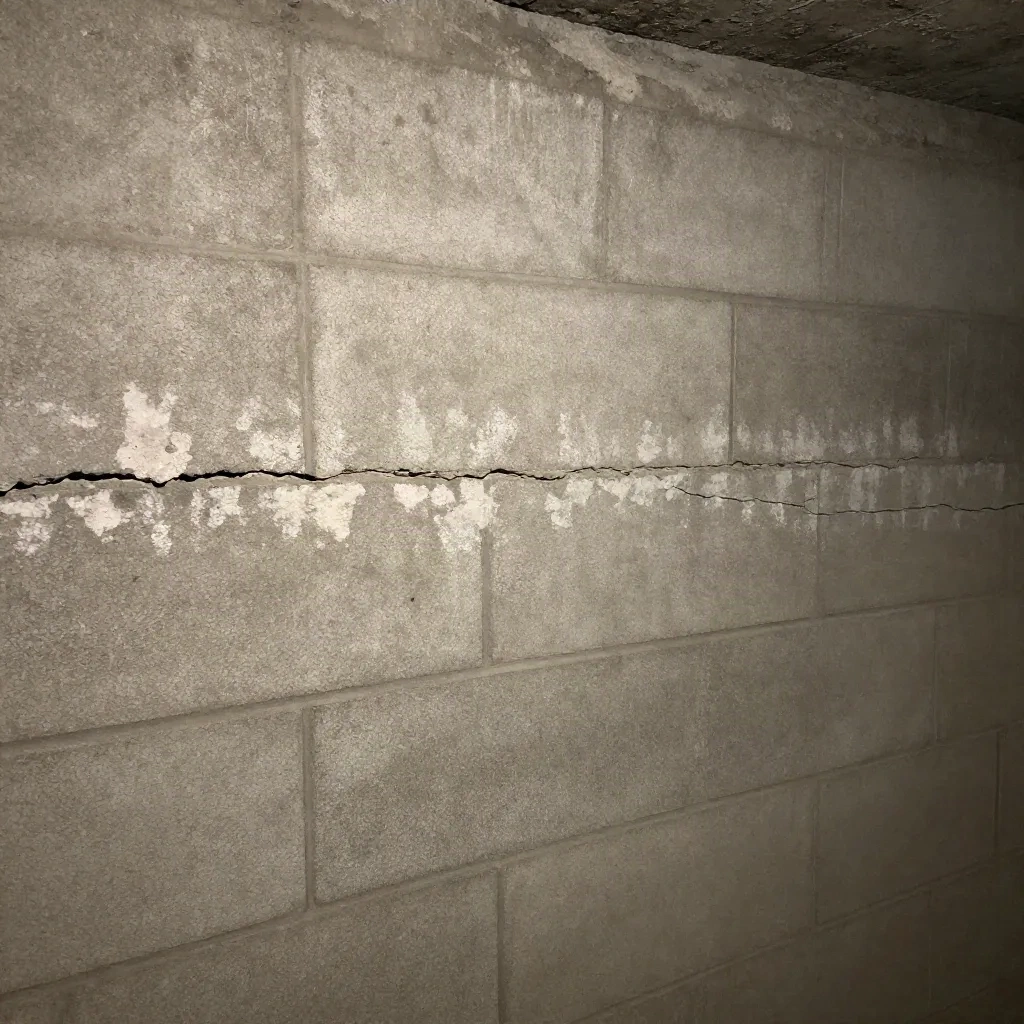
Basement foundations have the widest price range because they have more exposure to hydrostatic water pressure from surrounding soil. A bowing basement wall that requires tiebacks or piering can push totals past $20,000 on older homes with block construction.
What Drives Foundation Repair Costs Higher
Here are the real factors that push a quote above the baseline range.
Severity and time without repair. A hairline crack caught in year one might cost $300 to seal. Left for three seasons, that same crack could require $8,000 in waterproofing and structural reinforcement. Foundation problems do not stabilize on their own. They either hold steady for years or they worsen, and you cannot predict which without monitoring.
Soil conditions. Expansive clay soils, common in Texas, Colorado, Oklahoma, and parts of the Southeast, shrink and swell with moisture changes, putting constant movement stress on foundations. Homes in clay-heavy regions typically see higher repair costs and faster symptom recurrence if drainage is not also addressed.
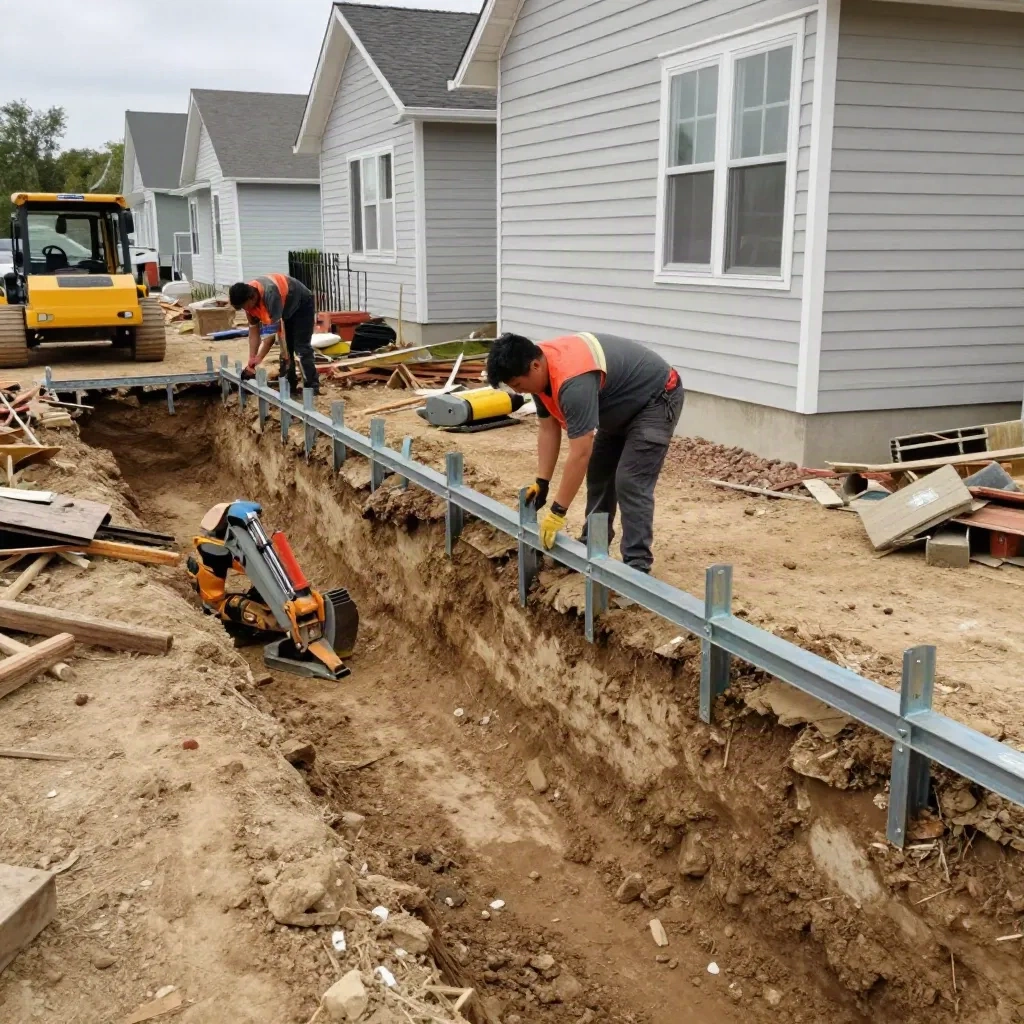
Accessibility. If the contractor needs to excavate around the exterior of your home to access the foundation wall, cost goes up significantly. Exterior excavation for wall repair or pier installation can add $2,000 to $6,000 in labor and equipment on top of the base repair cost. Proximity to landscaping, fences, or structures also affects price.
Drainage problems. Foundation failures caused by water are often a symptom, not the root cause. If water is pooling against your foundation because of improper grading, clogged gutters, or a high water table, repairing the foundation wall without addressing drainage means the same problem comes back within a few years. Budget for both.
Structural engineer report. A licensed structural engineer assessment costs $300 to $2,000, depending on scope and location. Most credible contractors for major structural work require one before bidding. If a contractor skips the engineer and jumps straight to a scope for a $15,000 job, that is worth questioning.
Geotechnical soil report. For pier installations or homes on problematic soil, a soil test runs $1,000 to $5,000 and may be required for permit applications in some jurisdictions.
Do You Need a Permit for Foundation Repair?
For minor crack repairs, epoxy injection, mudjacking, and carbon fiber straps, permits are generally not required in most jurisdictions. The work does not affect the structural load-bearing system in a way that triggers permit review.
For structural work involving underpinning, pier installation, wall replacement, or anything requiring excavation, a permit is almost always required. Permit fees typically run $75 to $150.
Red flag: a contractor who tells you permits are not needed for a full piering job is either uninformed or trying to skip the inspection step. Unpermitted structural work creates real problems when you sell the house, and some insurance policies will not cover damage related to unpermitted repairs.
Building inspectors who sign off on permitted foundation work are an independent check on quality. Skip that check at your own risk.
Red Flags in a Foundation Repair Quote
Here's what contractors don't tell you about their bids.
No engineer's report for major work. Any contractor quoting piering, wall replacement, or major leveling without an independent engineer's assessment is working from a visual inspection, not a structural diagnosis. The engineer's report is what legitimizes the repair scope. Without it, you cannot verify that the proposed method matches the actual problem.
Lifetime warranty, nothing in writing on the company. Foundation warranties are only as valuable as the company behind them. A newly formed LLC with a lifetime warranty card is worth nothing if the company closes in three years. Ask how long they have been operating under the same name. Verify their contractor license number against your state licensing board's database. Check whether they carry general liability insurance and workers' compensation.
Pressure to decide the same day. A $15,000 foundation repair quote that is only valid until Friday is a sales tactic, not a reflection of market reality. Foundation repair pricing does not change week to week. Get three bids. Take the time to compare scope, warranty terms, and company background before signing.
Quote that does not explain the cause. Sealing cracks without addressing why they appeared means they come back. A credible repair proposal includes the cause (expansive soil, hydrostatic pressure, tree root intrusion, improper drainage) and addresses both the symptom and the source.
Should You DIY Foundation Repair?
For hairline vertical cracks that are clearly not growing, a DIY epoxy injection kit ($20 to $70 at most home improvement stores) is a reasonable option. These kits work for small, stable cracks in poured concrete walls and will prevent water entry at low cost.
Stop there.
Horizontal cracks in basement walls indicate lateral soil pressure and require a professional structural evaluation before any repair is attempted. Stair-step cracks in block walls, cracks wider than one-quarter inch, cracks that are actively growing, or any crack paired with bowing walls all require a licensed structural contractor. Not a handyman. A foundation specialist with a current state contractor license and general liability insurance.
The math on skipping professional help is straightforward: a $15,000 piering job that addresses the actual cause of settlement costs less in the long run than three rounds of DIY patch jobs that do not stabilize the structure.
DIY is appropriate for: sealing a confirmed hairline crack in poured concrete to prevent water entry. DIY is not appropriate for: any situation involving structural movement, horizontal cracking, or water that has already entered the living space.
How to Get a Fair Foundation Repair Quote
Before you sign anything, check this checklist.
Get three bids, minimum. Foundation repair pricing varies 30 to 50 percent between contractors for the same job scope. Three bids give you enough data to identify the outlier in either direction.
Hire an independent structural engineer first. Before getting repair quotes, spend $300 to $500 on a structural engineer inspection. The report tells you what needs to be fixed, which methods are appropriate, and how many piers (if any) are actually required. It gives you a baseline to measure contractor proposals against. More than one homeowner has paid for 12 piers when 6 would have been structurally sufficient.
Verify the contractor license. Every state has an online contractor license lookup. Enter the contractor's name and license number before scheduling a consultation call. Confirm the license is active and that there are no disciplinary actions on record.
Read the warranty terms in detail. What does the warranty actually cover? Does it transfer to the next buyer? Is there an annual inspection requirement? What voids it? Get the company's full legal name and verify it against their license. The warranty is only enforceable if the company still exists and their insurance is current.
Confirm permit requirements. Ask the contractor which permits are required for the proposed work, who pulls them, and what the inspection schedule looks like. If they say no permits are needed for structural work, verify that claim directly with your local building department.
According to data from Fixr, foundation repair labor runs up to approximately $200 per hour, and underpinning projects remain the most labor-intensive category due to excavation requirements. That labor intensity is why getting the scope right before work begins saves more money than negotiating on the hourly rate.
Prices vary by location, material quality, contractor experience, and site conditions. Use these ranges as a starting point, not a binding estimate. Always verify contractor license and insurance before signing any contract for structural work.