How Much Does a New Roof Cost in 2026? US Price Guide
Summary
How much does a new roof cost in 2026? Most US homeowners pay between $7,500 and $14,000, with an average near $10,000 for asphalt shingles, or about $4 to $6 per square foot installed. Metal, tile and slate cost two to four times more. Roof size, pitch, tear-off, decking repairs, permits and regional labor explain why quotes differ. Compare three itemized written quotes and verify the contractor's license before signing.
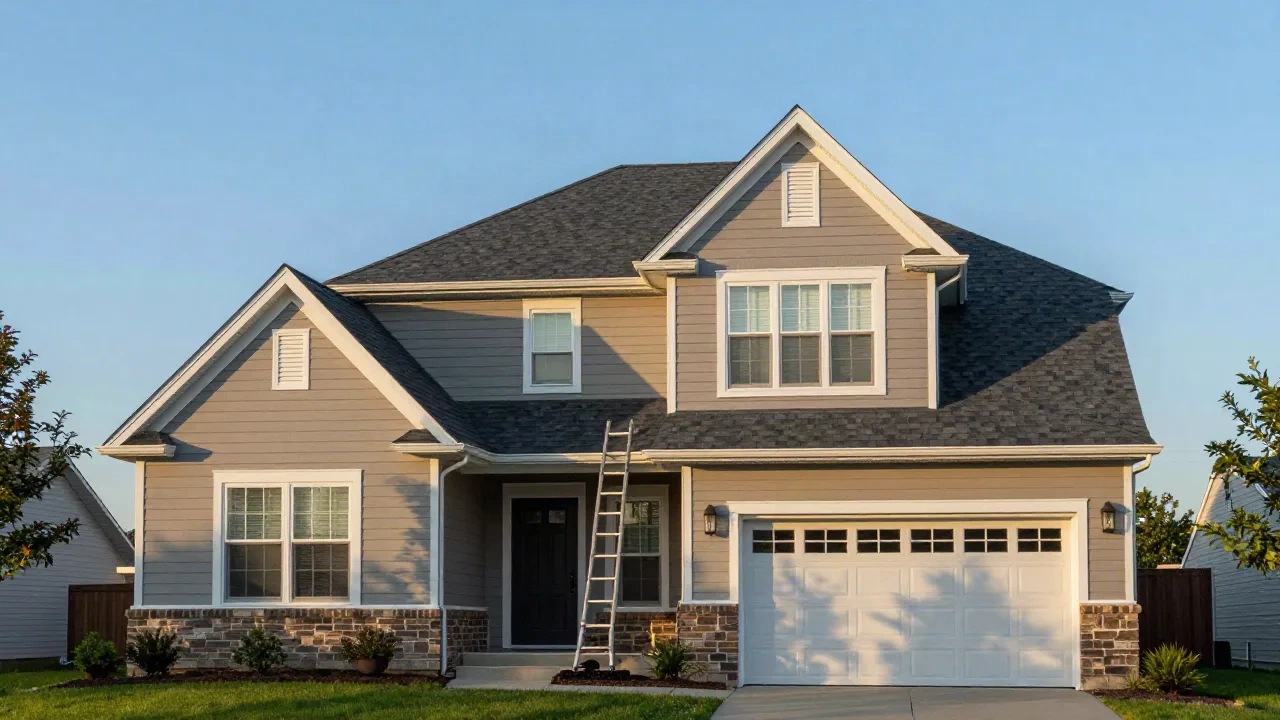
How much does a new roof cost? Most US homeowners pay between $7,500 and $14,000, with an average around $10,000 for an asphalt shingle roof on a typical house. That works out to roughly $4 to $6 per square foot installed, and it climbs fast with metal, tile or a steep, cut-up roof. Here's what it should cost, what pushes the price up, and how to check a quote before you sign anything.
What is the national average for a new roof in 2026?
The national average for a full roof replacement sits near $10,000, according to Fixr's 2026 roof replacement data. Most projects land between $7,500 and $14,000, and the installed price averages about $4.75 per square foot.
Those numbers assume a standard asphalt shingle roof on a house with about 2,000 square feet of roof surface. Not 2,000 square feet of living space. Roof area is usually 20 to 40 percent larger than the footprint of the house because of pitch and overhangs.
The range is wide on purpose. Fixr shows the same 2,000 square foot roof running from $7,500 to $22,000 depending on materials and conditions. If a quote falls inside that band, you're in the normal zone. If it's far outside, you need a reason in writing.
Prices vary by location, material quality, and contractor. Use these ranges as a starting point, not a binding estimate.
How much does a new roof cost by material?
Material is the biggest lever. Asphalt shingles are the baseline because they're cheap, fast to install and good enough for most climates. Everything else is a step up in price and lifespan.
Here's the realistic spread for a roughly 2,000 square foot roof, installed:
3-tab asphalt shingles: about $4 to $6 per square foot, roughly $8,000 to $12,000, lasting 15 to 20 years.
Architectural asphalt shingles: about $5 to $12 per square foot, roughly $10,000 to $24,000, lasting 20 to 30 years.
Metal (corrugated to standing seam): about $5 to $16 per square foot, roughly $10,000 to $40,000, lasting 30 to 70 years depending on type.
Tile (concrete or clay): about $7 to $25 per square foot, roughly $14,000 to $50,000, lasting 50 years or more.
Cedar shake: about $7 to $15 per square foot, roughly $12,000 to $30,000.
Slate: about $10 to $30 per square foot, roughly $20,000 to $60,000, lasting a century in the right conditions.
These ranges blend published figures from HomeGuide's cost data, Fixr and This Old House's shingle roof guide, and the spread between sources is itself a lesson. Nobody agrees on a single number because the job is not a single job.
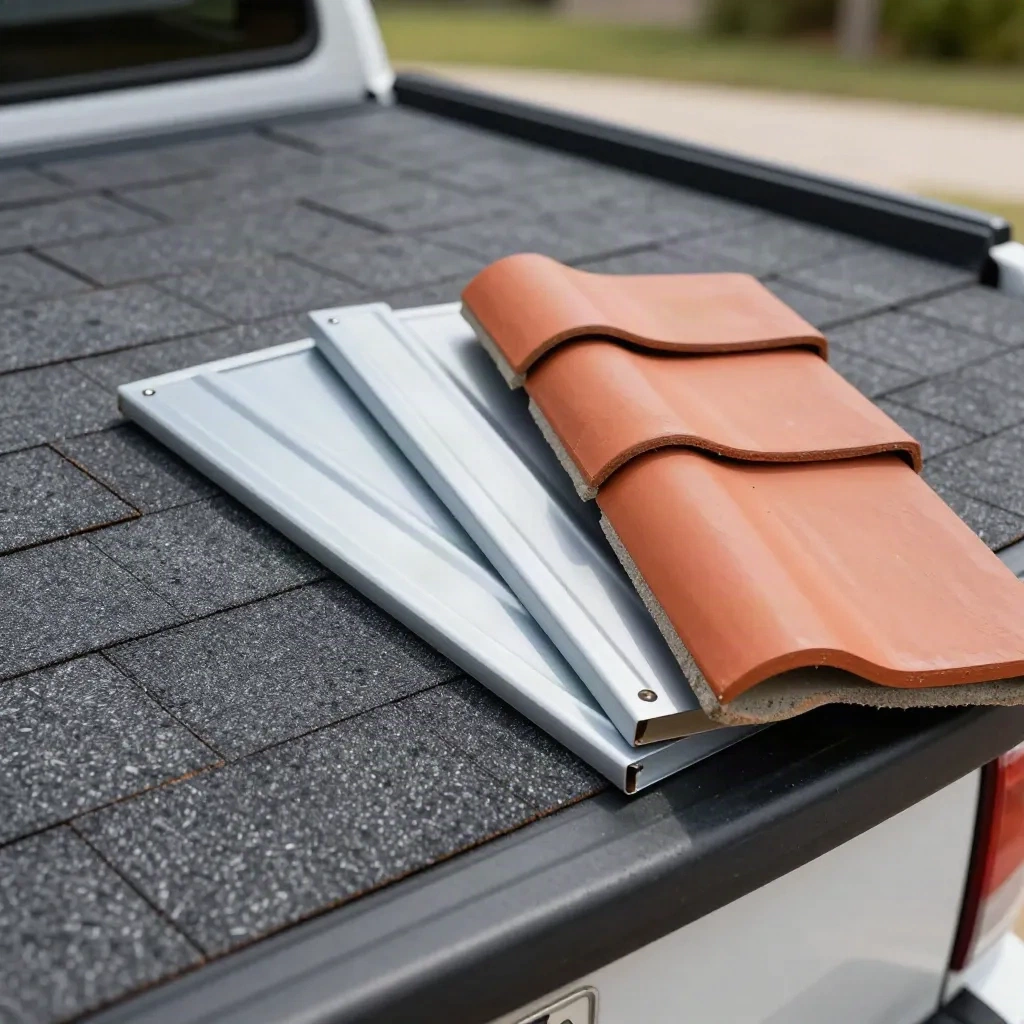
Skip slate and copper unless you plan to stay 30 years and your framing was built for the weight. Tile has the same catch. Heavy materials can require a structural check, and that line item is where a $22,000 quote quietly becomes $31,000.
Worth the extra money if you live in hail or wildfire country: impact-rated shingles or Class A fire-rated metal. Some insurers discount premiums for them, so ask before you decide.
What makes one roof quote $8,000 and another $20,000?
Two roofs on the same street can differ by more than $10,000. These are the usual reasons, in order of how much they move the price.
Roof size and complexity. Roofers price by the square, which is 100 square feet of roof. A simple gable roof is fast. A roof with six valleys, dormers, skylights and a chimney eats labor hours, and every valley needs extra flashing.
Pitch. Steep roofs need harnesses, toe boards and slower work. Expect a surcharge once the pitch gets steep, because crews move slowly and insurance costs more.
Labor. Roofing labor typically runs $1.50 to $3 per square foot for shingles on its own, per HomeGuide's labor breakdown, and more for tile or slate that needs specialized installers. Labor is also what changes most by region. A roof in San Francisco or Boston can cost two to three times what the same roof costs in Missouri.
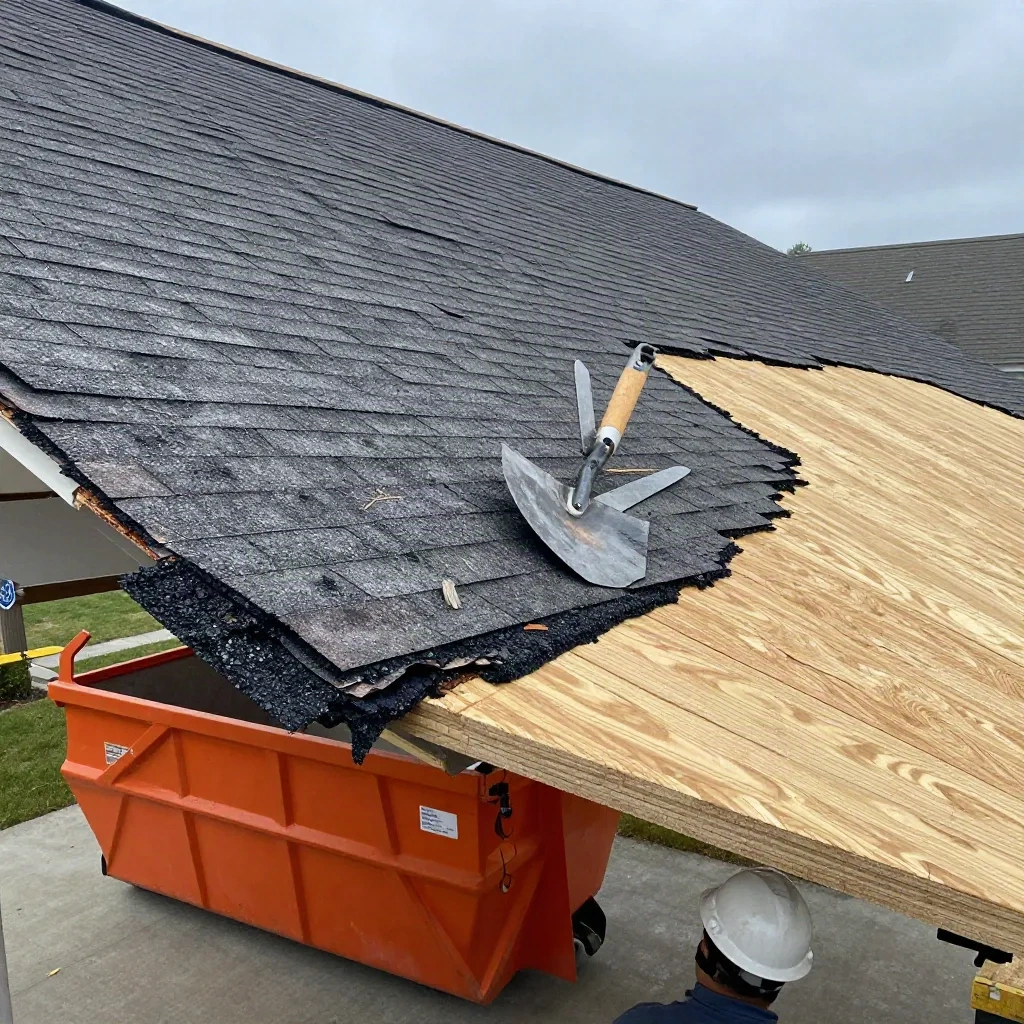
Tear-off and disposal. Stripping the old roof usually costs $1 to $3 per square foot. Fixr puts disposal at about $50 per square on a single layer, and up to $150 per square for heavy materials or multiple layers. A second layer under the first is common on older houses, and it's a classic reason for a change order.
Decking repairs. Once the shingles come off, the plywood underneath may be rotten. Replacement is usually billed per sheet. Ask what the per-sheet price is before work starts, in writing.
Permits. Many cities require a building permit for a full replacement. Costs vary widely, so confirm whether your quote includes it and who pulls it.
Should you repair it or replace the whole roof?
Repairs are cheap. Fixr puts the average roof repair at about $1,150. Replacement is roughly ten times that, so don't let a contractor push you toward a full tear-off for a single leak.
Repair makes sense when the damage is local: a few missing shingles after a storm, a failed flashing around a vent, a small leak with a clear source. The roof is under 15 years old and the rest of it looks healthy.
Replace when the problems are everywhere. Curling or cracked shingles across several slopes, bald granule patches, sagging decking, daylight in the attic, or repeated leaks in different spots. At that point you're paying for repairs on a roof that has already given up.
Red flag: if a contractor says you need a full replacement after a ten-minute look from the driveway, get a second opinion. A solid inspection includes the attic, the flashing and the decking.
Insurance changes the math too. If hail or wind caused the damage, your claim may cover part of the replacement, but many policies pay depreciated value on older roofs. Read the roof clause in your policy before you call anyone.
How do you read a roofing quote before you sign?
A real quote has line items. A one-line "new roof, $14,500" is a quote you can't verify, and it's the one that grows later.
Before you sign anything, check this:
Square footage and squares. Does the number roughly match your roof area? Satellite measurements are accurate within a few percent, so there's no excuse for a wild guess.
Material brand and line. "Architectural shingles" isn't a spec. A named product with a warranty is.
Tear-off, disposal and layers. Is the old roof removal included? How many layers are they assuming?
Underlayment, flashing, drip edge and ventilation. These are where cheap bids save money by skipping things. Ask what's replaced and what's reused.
Decking policy. Price per sheet of replacement plywood, stated up front.
Permit. Included or not, and who files.
Warranties. Materials warranty from the manufacturer and a separate workmanship warranty from the contractor. Get the workmanship term in years, in writing.
License and insurance. Check the contractor's state license where required and ask for a certificate of general liability insurance and workers' comp.
Red flag: if your contractor asks for more than a third of the price upfront, or wants cash only, walk away. Same for door-knockers who appear after a storm with a "free inspection" and a deal that expires today.
Compare at least three written quotes on the same specs. If one is 30 percent below the others, it usually means a thinner scope, not a better contractor.

Can a photo of your roof get you a fair price range first?
Yes, and it's the fastest way to know if the bids you're about to get are reasonable. A clear photo of the roof, plus the address and rough size, is enough to produce a ballpark range before any contractor sets foot on your property.
That's the idea behind Pic2Quote: you upload a photo of the problem, you get a realistic price range, and you walk into the conversation knowing the number. It doesn't replace an on-roof inspection. It stops you from being the only person at the table who doesn't know what a normal price looks like.
Pair it with marketplaces for sourcing bids. Lead-gen sites sell your contact details to several contractors at once, which is the trade-off to expect, so use them to collect names and prices, then verify each license yourself.
When is the best time of year to replace a roof?
Late spring and fall are the sweet spots in most of the country. Weather is mild, shingles seal properly and crews aren't buried in emergency work.
Summer is peak season, and busy roofers charge for it, sometimes with longer waits. Right after a major storm, demand spikes and prices drift up. Contractors who suddenly appear from out of state are the ones to avoid.
Winter is cheaper in some regions because crews have slack time, but cold shingles can fail to seal. In the South and Southwest, winter is actually a good window. In the Midwest and Northeast, plan for spring or fall.
Is a new roof worth the money?
Mostly yes, if the roof is actually at the end of its life. A failing roof leaks into insulation, drywall and framing, and that damage costs far more than the roof.
On resale, a new asphalt roof rarely returns 100 percent of its cost, but it removes a deal-breaker. Buyers and inspectors flag an old roof immediately, and it becomes a negotiating chip worth thousands.
What we'd actually buy for most homes: architectural asphalt shingles from a name-brand line, installed by a licensed local contractor with a written workmanship warranty. It's the best balance of price and lifespan. Spend more on metal only if you'll be in the house for decades or live in a high-hail area.
Prices in this guide are national and rounded. Your actual number depends on your roof, your state and the month you sign. Get three written quotes, check the license, and compare line by line before you commit.