Mold Remediation Cost: What a Fair 2026 Quote Looks Like
Summary
Mold remediation cost averages about $2,400 in the US, with most jobs between $1,500 and $6,000. Professionals charge $10 to $25 per square foot, and hidden mold in walls, crawl spaces, or ducts pushes the price higher. Rebuilding drywall and paint is usually billed separately. Insurance pays only for sudden covered events and often caps mold at $1,000 to $10,000. Get three itemized quotes that name the moisture source.
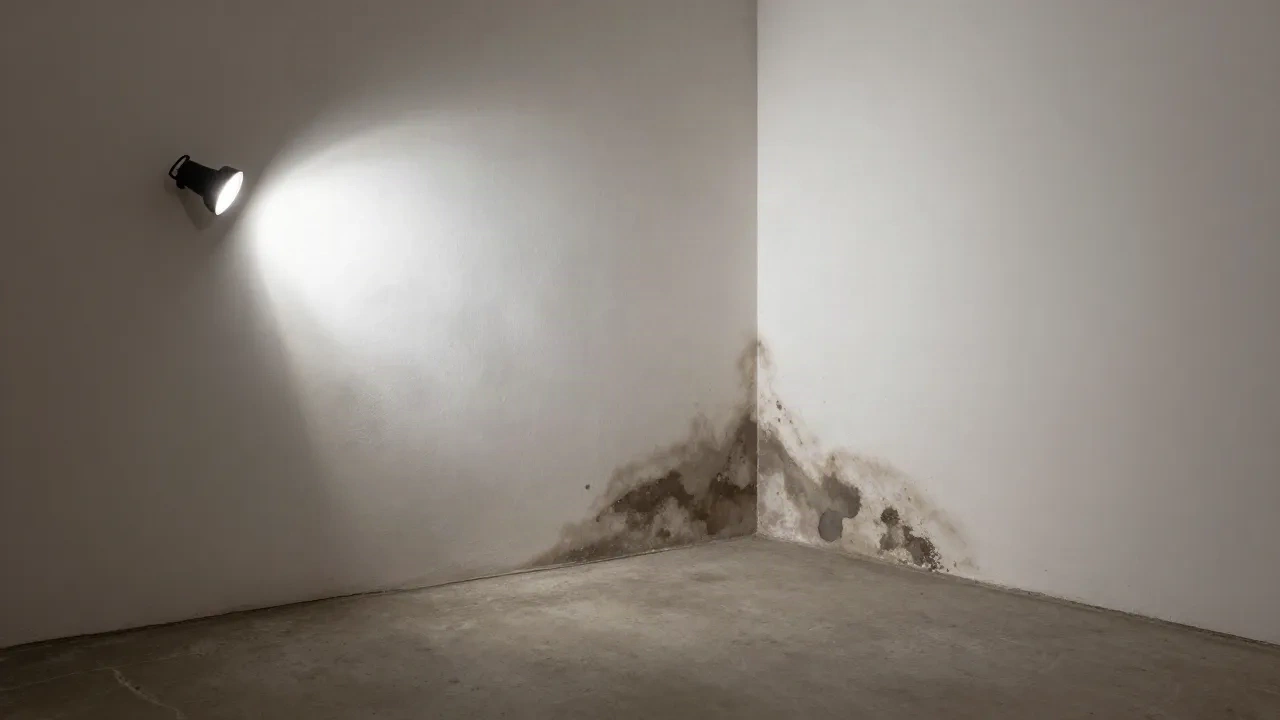
Mold remediation cost lands between $1,500 and $6,000 for most US homes, with a national average near $2,400. Small jobs under 10 square feet can run $500 to $1,500, while a whole-house problem climbs to $10,000 or more. Professionals typically charge $10 to $25 per square foot of affected surface. Here's what moves a quote up or down, and how to tell whether the number on your estimate is honest.
Before you sign anything, check this: the size of the mold patch is only one line item. The real swing comes from where it is, whether the water source is fixed, and how much drywall has to come out.
How much does mold remediation cost for a typical house?
Most homeowners land in the $1,200 to $3,800 window. Servpro's cost guide puts the national average at $2,368, with a small bathroom outbreak as low as $500 and a multi-room spread at $3,000 or more. RestoreAdvisor reports a slightly wider band of $1,500 to $6,000 and an average of $2,400.
Both sources are contractor-side, so treat them as ballparks, not binding numbers. Prices vary by location, material quality, and contractor. Use these ranges as a starting point, not a binding estimate.
Here's the size breakdown most quotes follow:
Under 10 square feet: $500 to $1,500 (often a minimum charge, not a per-foot price)
10 to 100 square feet: $800 to $4,000
100 to 300 square feet: $2,500 to $9,000
300 to 1,000 square feet: $6,000 to $20,000
Over 1,000 square feet: $15,000 to $30,000 and up
Small jobs rarely scale by the foot. A crew still has to show up, set up containment, and run equipment, so a 6-square-foot patch can cost as much as a 15-square-foot one.
The standard per-square-foot rate is $10 to $25 per square foot of affected surface. Surface mold on non-porous material like tile or sealed concrete sits at the low end because nothing has to be torn out. Mold inside a wall cavity or crawl space pushes toward $15 to $30 per square foot because the crew has to open, contain, and rebuild.
Red flag: if a contractor quotes a flat "whole house treatment" with no square footage, no room list, and no scope of containment, ask for it in writing by area. A fair quote names each affected zone.
Why does the location in your home change the price so much?
Where the mold grows matters more than how big it looks. Accessible, open surfaces are cheap. Hidden or hard-to-reach spaces are not.
Typical ranges by location, pulled from the same two guides:
Bathroom: $500 to $2,000
Attic: $1,000 to $5,000
Basement: $500 to $7,000 (wide because a damp corner and a flooded finished basement are very different jobs)
Behind walls: $2,000 to $8,000
Crawl space: $500 to $10,000
HVAC system and ductwork: $3,000 to $10,000
The HVAC number deserves a second look. Mold in ducts can spread spores through every room, so the crew has to clean the system and usually address the source. If a contractor wants to "just spray" your ducts, skip them.
In the Northeast and on the West Coast, expect the top of these ranges. Labor makes up 50 to 65 percent of most quotes, and labor rates in San Francisco or Boston run well above those in Ohio or Missouri.
What is actually in a mold remediation quote?
A legitimate quote is not just "kill the mold." The work follows a sequence, and each step shows up as a line item.
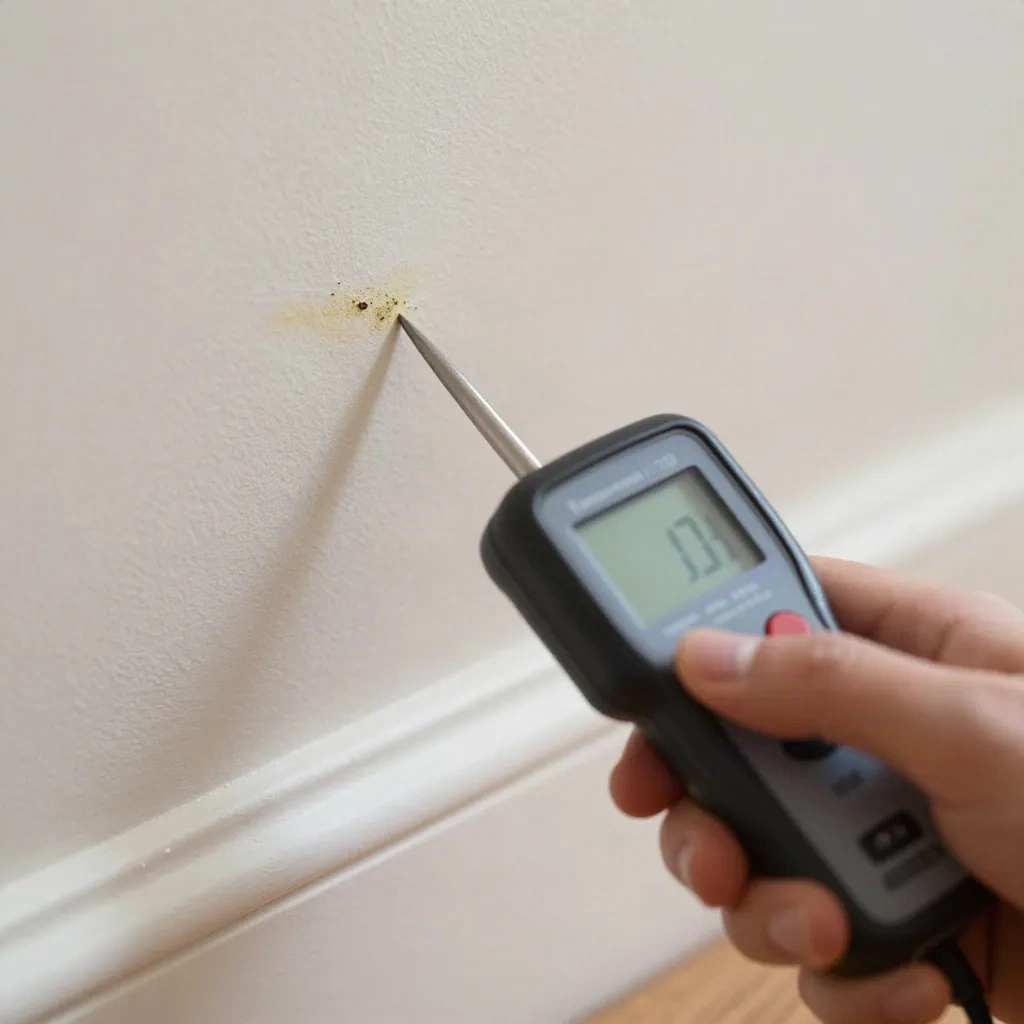
Inspection and moisture mapping. The crew finds the source and measures how far the moisture traveled.
Containment. Plastic sheeting and negative air pressure keep spores from drifting into clean rooms.
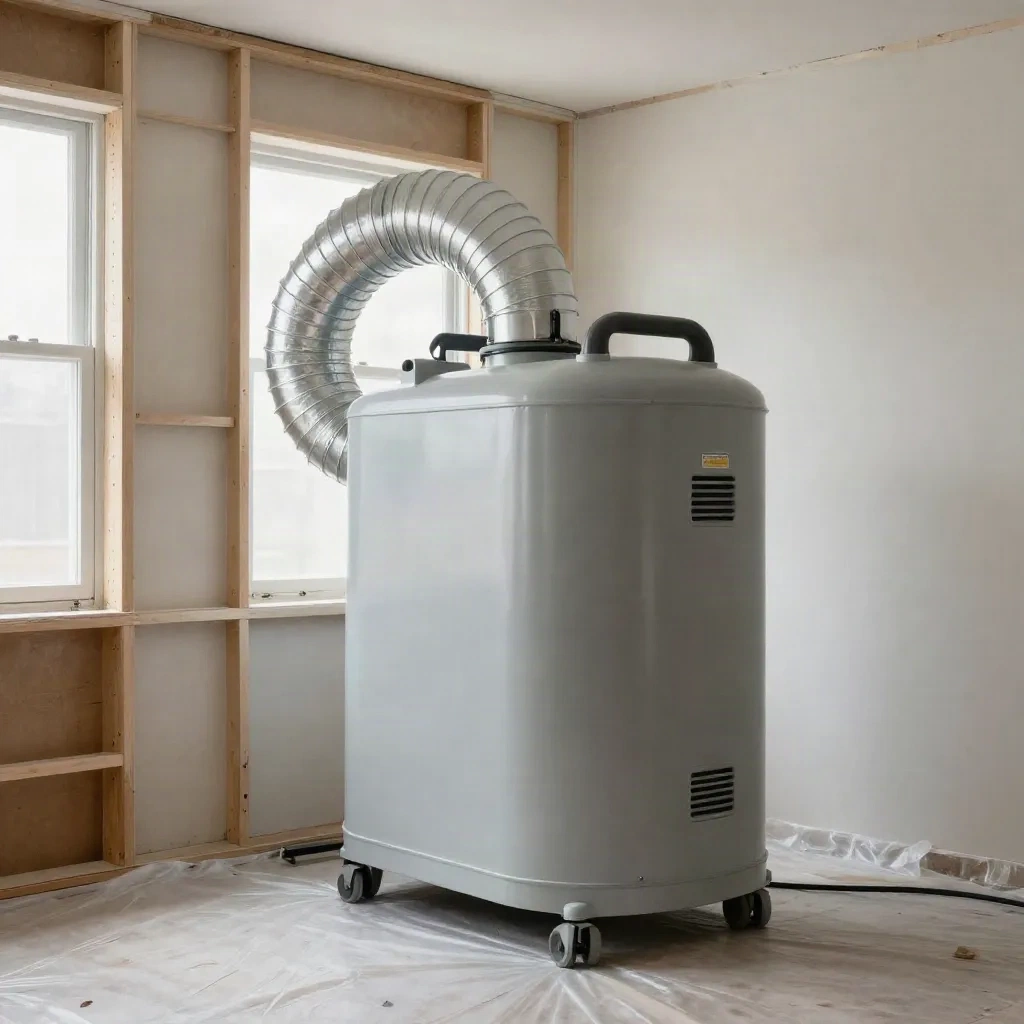
Air filtration. HEPA air scrubbers run for the length of the job.
Removal. Moldy drywall, insulation, or carpet comes out and gets bagged. Material removal and disposal typically make up 10 to 20 percent of the quote.
Cleaning and drying. Surviving surfaces are HEPA-vacuumed, wiped, and dried.
Clearance check. Some jobs end with a post-remediation test to confirm the area is clean.
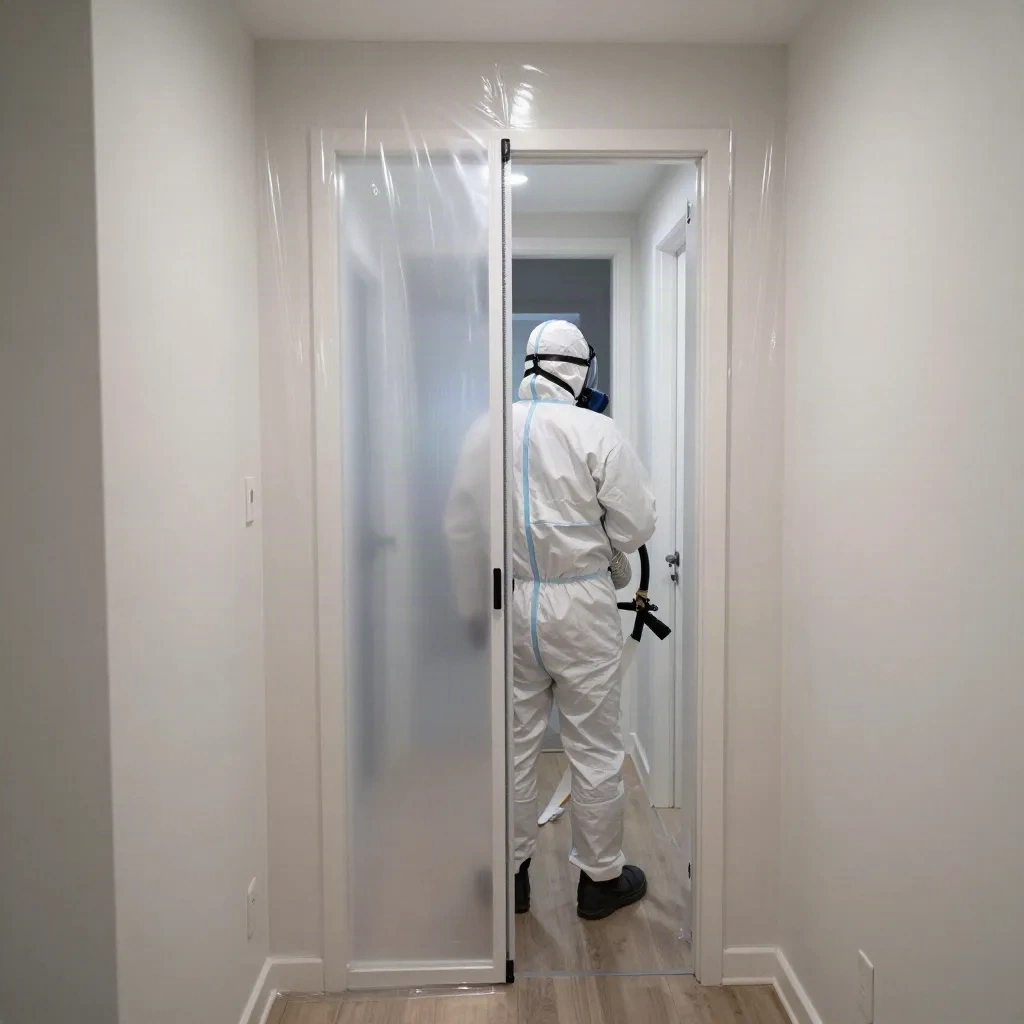
If the quote skips containment or air filtration entirely, you are paying for a cleaning, not a remediation. That is cheaper on paper and often a repeat bill later.
What adds to the bill: testing and rebuild?
Testing runs about $300 to $600 for an air or surface test, and an inspection is $300 to $700. Clearance testing after the job is $200 to $600.
Do you need all three? Not always. If you can see the mold and you know the source, a visual inspection by the remediation company often covers it. Testing earns its cost when you suspect hidden mold, when someone in the house has respiratory problems, or when your insurer or a home sale requires documentation.
Walk away if the same company that tests also pushes the biggest remediation scope. The cleanest setup is an independent tester who has no stake in the work. It adds a few hundred dollars and removes the conflict of interest.
Then there is the rebuild. Remediation removes the mold. It does not put your wall back. Reconstruction is usually billed separately, and homeowners miss it constantly.
Drywall replacement: $500 to $2,000 per room
Insulation replacement: $500 to $2,500
Subfloor repair: $500 to $3,000
Flooring replacement: $1,000 to $5,000
Painting after repair: $300 to $1,200
Full room restoration after severe damage: $3,000 to $10,000 or more
So a $2,400 remediation can easily turn into a $5,000 total once the wall is closed up and painted. Ask every contractor one question up front: does this number include rebuild, or only removal?
Can you clean mold yourself and skip the bill?
Sometimes. The EPA's mold cleanup guidance draws the line at roughly 10 square feet, about a 3-by-3-foot patch. Under that, a homeowner can scrub hard surfaces with detergent and water and dry them completely. DIY for a small patch typically costs $50 to $300 in supplies.
Over that line, or whenever the water damage is heavy, hire a licensed contractor. Same if the water was sewage or other contaminated water, or if anyone in the house has asthma or a weakened immune system. Porous materials like ceiling tiles and carpet that got moldy usually have to be thrown out, not cleaned.
Two DIY mistakes cost real money. First, painting or caulking over mold. The EPA says to clean and dry the surface first, because mold under paint keeps growing. Second, cleaning without fixing the leak. If the moisture source is still active, the mold is back in weeks and you have paid for nothing.
Will homeowners insurance pay for mold remediation?
Often not, and when it does the cap is small. Standard policies generally cover mold only when a sudden, accidental event caused it, like a burst pipe or an appliance failure. Slow leaks, humidity, and neglect are usually excluded, and flood-related mold needs separate flood coverage.
Even when mold is covered, many policies cap it. Figures of $1,000 to $10,000 are common, and that cap may also have to cover testing and tear-out. Your total water claim size does not raise it.
What to do before any work starts:
Photograph the damage and the source before anything is cleaned up.
Call your insurer and ask whether mold is covered and what the sublimit is.
Stop the water, but keep the damaged materials until the adjuster has seen them if you can.
Get the remediation scope in writing so it matches the claim.
If you rely on a home warranty instead, read the exclusions line by line. Mold is a common carve-out.
How do you spot an inflated mold quote?
Mold work is a favorite for upselling because homeowners are scared and cannot see inside their own walls. Here is what to check.
No moisture source identified. A crew that quotes remediation without finding the leak is selling you a return visit.
Vague scope. "Mold treatment, $8,000" with no square footage or room list is not a quote.
Pressure to sign today. Mold does not double overnight. A real crew gives you a day to compare.
Fogging or "sealing" as the main service. Spraying a chemical over mold is not remediation. Removal and drying are.
No license or insurance on file. Some states license mold professionals, others do not. Ask for proof of liability coverage either way, and check your state's contractor board.
Warranty missing. Ask for a written workmanship warranty and what it covers if the mold returns.
Get at least three itemized quotes. If one is 40 percent below the rest, find out what it leaves out. If one is 40 percent above, ask what it adds. Lead-gen marketplaces can speed up the first step, though the same lead often goes to several contractors at once, so expect a flood of calls.
For direct pricing and reviews before anyone calls you, a platform where the pro quotes you first can cut the noise.
What should you do first, and what should you skip?
Start with the water. Fix the leak, run a dehumidifier, and dry the area within a day or two. Mold needs moisture, and removing it is the cheapest "remediation" there is.
Then size the problem. Under 10 square feet on a hard surface, handle it yourself. Anything bigger, or anything behind a wall, get three quotes.
Skip these: fogging-only services, any contractor who will not name the moisture source, and any quote that bundles testing and removal from the same company with no independent check. Worth the money: a written scope, containment, HEPA filtration, and a clearance check on large jobs.
A fair mold remediation cost is one you can trace line by line to a room, a square footage, and a step in the process. If you can't, keep shopping.