Water Heater Replacement Cost: What to Pay in 2026
Summary
Replacing a water heater in 2026 costs $900 to $2,500 for a standard tank unit, fully installed. Tankless systems run $2,500 to $4,500. Your final quote depends on unit type, fuel source, tank size, labor market, and permit requirements. Labor accounts for 30 to 50 percent of the total bill. Get three quotes from licensed plumbers and verify their state license before signing.
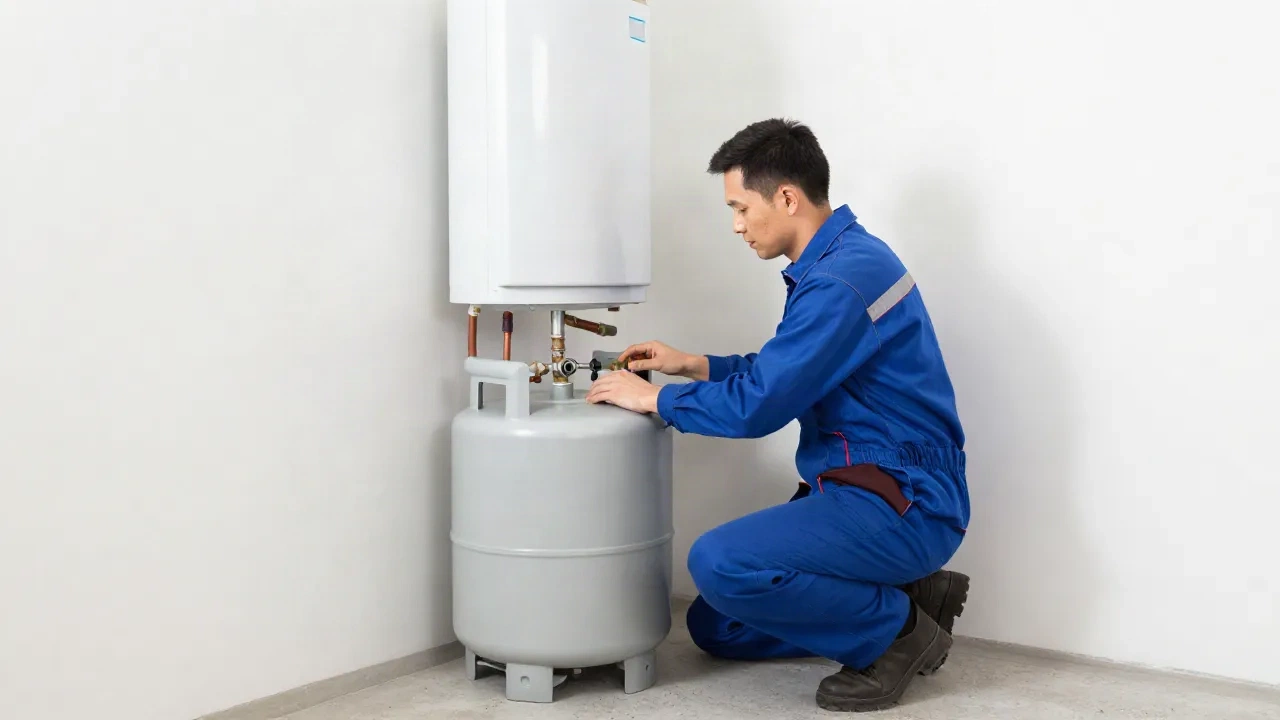
Water heater replacement cost runs between $1,200 and $2,500 for most standard tank units, fully installed.
Here's what contractors don't tell you about this quote: the water heater itself is often the cheapest part of the job. Most homeowners replace a 40 to 50-gallon tank water heater and pay that range for parts and labor combined. That number assumes a gas or electric tank unit, a licensed plumber, and no surprises with the existing plumbing or electrical. If you're upgrading to tankless or switching fuel types, expect $2,500 to $4,500 or more.
Here is exactly what moves that number, what a fair quote looks like, and when to walk away.
Prices vary by location, material quality, and contractor. Use these ranges as a starting point, not a binding estimate.
How Much Does Water Heater Replacement Cost? The Full Range
The full range in 2026 is $800 to $5,500 depending on unit type, fuel source, and your local labor market. Most standard replacements land well below that upper limit.
These are national averages for 2026. The national average for a standard 50-gallon gas tank replacement, all-in, is roughly $1,350 to $1,800. Your actual quote will be above or below that based on the six factors I cover next.
What Actually Drives Your Water Heater Replacement Cost
1. Tank vs. tankless. This is the biggest single variable. A direct swap (same type, same fuel, same capacity) runs $900 to $1,800 in most markets. Going tankless adds $1,500 to $2,500 in equipment alone, plus $400 to $800 in labor for additional venting, gas line upgrades, or a dedicated electrical circuit.
2. Your fuel source. Gas water heaters cost more upfront and typically run cheaper per month. Electric is the reverse in most states. Switching fuels mid-project, gas to electric or vice versa, adds $300 to $800 for the infrastructure change.
3. Tank size. A 40-gallon unit costs less than a 75-gallon one. Most households with two to three people manage fine with a 40 to 50-gallon tank. Add a fourth or fifth person and you're looking at 50 to 75 gallons. Upsizing mid-project adds $200 to $500.
4. Labor costs in your market. A licensed plumber in Indianapolis charges $75 to $110 per hour. In San Francisco or New York, the same work runs $150 to $250 per hour. Labor is typically 30 to 50 percent of your total bill, which means the same unit, same box off the shelf at Home Depot, costs $400 to $600 more installed in a high-cost market. This is the variable most online calculators understate.
5. Permits. Most jurisdictions require a building permit for water heater replacement. Permit fees typically run $50 to $150. Some contractors pull the permit themselves and include it in the quote. If a contractor says they skip permits to save you money, that is a red flag, unpermitted water heater work can void your homeowner's insurance coverage for water damage and will show up as a problem in your home sale inspection.
6. Access and job complications. If your water heater is in a tight attic, a closet requiring panel removal, or needs significant drain work before removal, expect an extra $100 to $250. Corroded shut-off valves that need replacement add $50 to $150 more.
Tank vs. Tankless: Which One Is Actually Worth It?
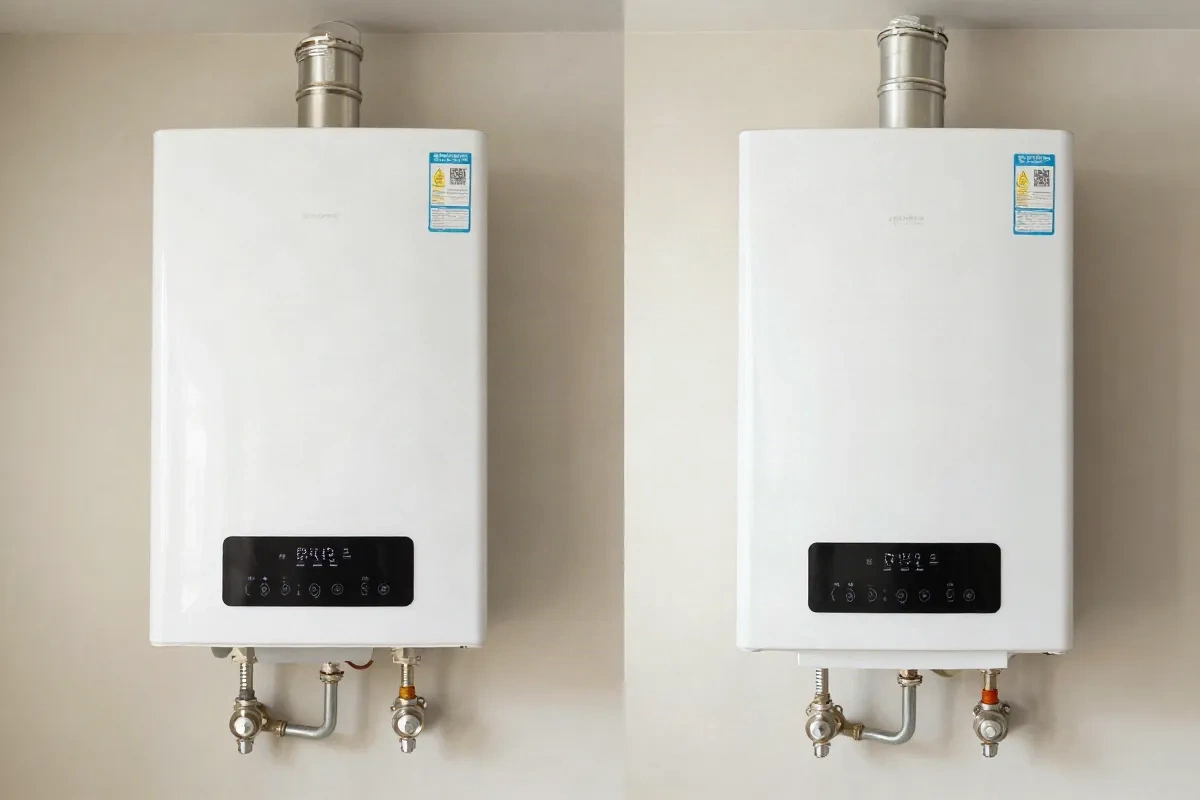
This question comes up on every job site conversation about water heater replacement, so here is a direct comparison.
Traditional tank water heaters last 8 to 12 years with basic maintenance: annual anode rod checks, occasional flushing. They're cheaper to buy ($400 to $900 for a quality unit), faster to install (2 to 4 hours), and every licensed plumber in the country knows how to do the job. No venting complexity, no gas line sizing debates.
Tankless units last 15 to 20 years and produce hot water on demand. No standing tank of water slowly corroding. But they cost more upfront ($2,500 to $4,500 installed for gas), require more complex venting, and often need a gas line upgrade if your home has an older half-inch line. In homes with electric tankless, you may need a panel upgrade to handle the draw.
The payback calculation on tankless is frequently presented as "pays for itself in energy savings." The honest version: with most natural gas setups, the payback period is 10 to 15 years. If you plan to stay in the house 15-plus years, it makes sense. If you are selling in the next five, a standard tank replacement is the pragmatic call.
Heat pump water heaters (HPWH) sit in the middle. At $2,200 to $3,500 installed, they run on electricity but use ambient air to heat water, which makes them 70 percent more efficient than a standard electric resistance tank. In practical terms, that's $300 to $500 per year in energy savings. The requirement: you need unheated basement or garage space with at least 700 to 1,000 cubic feet of air volume. They pull heat from the surrounding air and will overcool a small closet.
Water Heater Replacement Cost by Location
Location is the biggest variable most guides undersell. The national average is a useful anchor, but the actual quote in your city can run 30 to 80 percent above or below it.
The national average is $1,200 to $2,500 for a standard tank replacement. Midwest markets tend to run 10 to 20 percent below the average. Coastal metros and high cost-of-living cities run significantly above.
Red flag: if your contractor quotes you $600 for a standard 50-gallon tank replacement, installed, in Chicago or Seattle, walk away. Either the unit is the cheapest off-brand on the shelf, the plumber is unlicensed, or both.
How to Read a Water Heater Quote and Spot the Problems

A solid water heater replacement quote should show, at minimum:
Equipment: brand, model number, tank size, warranty
Labor: hours or flat rate, clearly stated
Permit fee (if pulled by contractor) or notation that homeowner pulls it
Disposal of old unit
Any additional line items for code upgrades, valve replacements, or venting work
If a quote says "Replace water heater, lump sum" with no detail, you cannot compare it to another quote. Ask for a line-item breakdown before you sign. Any licensed contractor will produce one without complaint. One who refuses to break it out is hiding markup.
Before you sign anything, check this:
Verify the contractor's state license number at your state's licensing board website (takes two minutes)
Ask for a certificate of general liability insurance
Confirm the permit situation in writing
A contractor without a valid license and insurance is not a contractor: they are a liability you are taking on personally.
Energy Rebates and Incentives in 2026
The 30 percent federal tax credit for heat pump water heaters under IRA Section 25C expired December 31, 2025. It is not available for 2026 installations.
State and utility rebates are still active in several markets:
Massachusetts (Mass Save program): Up to $750 rebate on qualifying heat pump water heaters
New York (NY Clean Heat): $800 to $1,000 depending on unit and utility territory
California: PG&E and SoCal Gas run periodic rebate programs; check EnergySavingsCenter.com for current availability
National Grid territory (Rhode Island, Massachusetts, upstate New York): $300 to $500 on qualifying high-efficiency units
Always check with your local utility before purchasing. Rebate availability is tied to program funding cycles and can change within a quarter. The easiest way is to call the number on your utility bill and ask specifically about water heater rebates.
How to Get Three Quotes and Pick the Right One
Get three quotes from licensed plumbers. Not from the lowest-priced listing on a lead-gen site, not from the guy who knocked on your door after a cold snap. Three quotes from verifiably licensed contractors in your market.
Prices vary 20 to 40 percent between licensed contractors doing the same job in the same city. That difference is not fraud. It reflects overhead, equipment sourcing preferences, and how busy they are. Your job is to identify what is inside each quote, not just compare the bottom-line numbers.
Here is the practical approach:
Step 1. Get the model number of the unit each contractor is recommending. Look it up on the manufacturer site. Check the retail price at Home Depot and Lowe's. A contractor markup of 15 to 25 percent over retail is standard. Anything over 40 percent is worth asking about.
Step 2. Separate labor from equipment in each quote. A standard tank swap is two to four hours of work. If the labor line on a standard replacement shows eight hours, ask why.
Step 3. Time it right. Spring and fall are the slow seasons for plumbers. In winter, emergency calls fill the schedule and you are negotiating from a weak position. If your unit is aging but not dead yet, schedule the replacement in March or October. You will have more flexibility and often a better price.
Step 4. Do not skip the permit. Unpermitted water heater work can void your homeowner's insurance coverage on any subsequent water damage claim. It will also show up as a deficiency in your home sale inspection and create negotiating leverage for the buyer.
The national average is $1,200 to $2,500 for a standard replacement. If your quote from a licensed, insured contractor with a line-item breakdown lands in that range for your market, you are in normal territory.
Tools to Find a Licensed Plumber and Compare Quotes
Getting three quotes is the single most effective way to avoid overpaying. These platforms make it easier to find licensed plumbers in your area and compare bids.
HomeAdvisor connects homeowners with local, background-checked contractors. For water heater replacement, you can submit your project details and receive quotes from multiple plumbers in your area. Useful for getting a quick baseline before calling contractors directly.
Angi (formerly Angie's List) shows verified reviews and average project costs by ZIP code, which is useful for benchmarking what neighbors actually paid for the same job. Their cost guides give you a local reference point before you start requesting quotes.
If you are purchasing the unit yourself and having a licensed plumber handle installation only, Amazon carries most major brands (Rheem, Bradford White, AO Smith) with next-day delivery in many markets. Confirm your plumber will install a unit you supply before ordering, and verify the model number matches what they recommend.