AI Product Photography for Home Listings
Clean, bright listing photos without a $300 photographer, plus what AI editing can't legally hide once a buyer's inspector shows up.
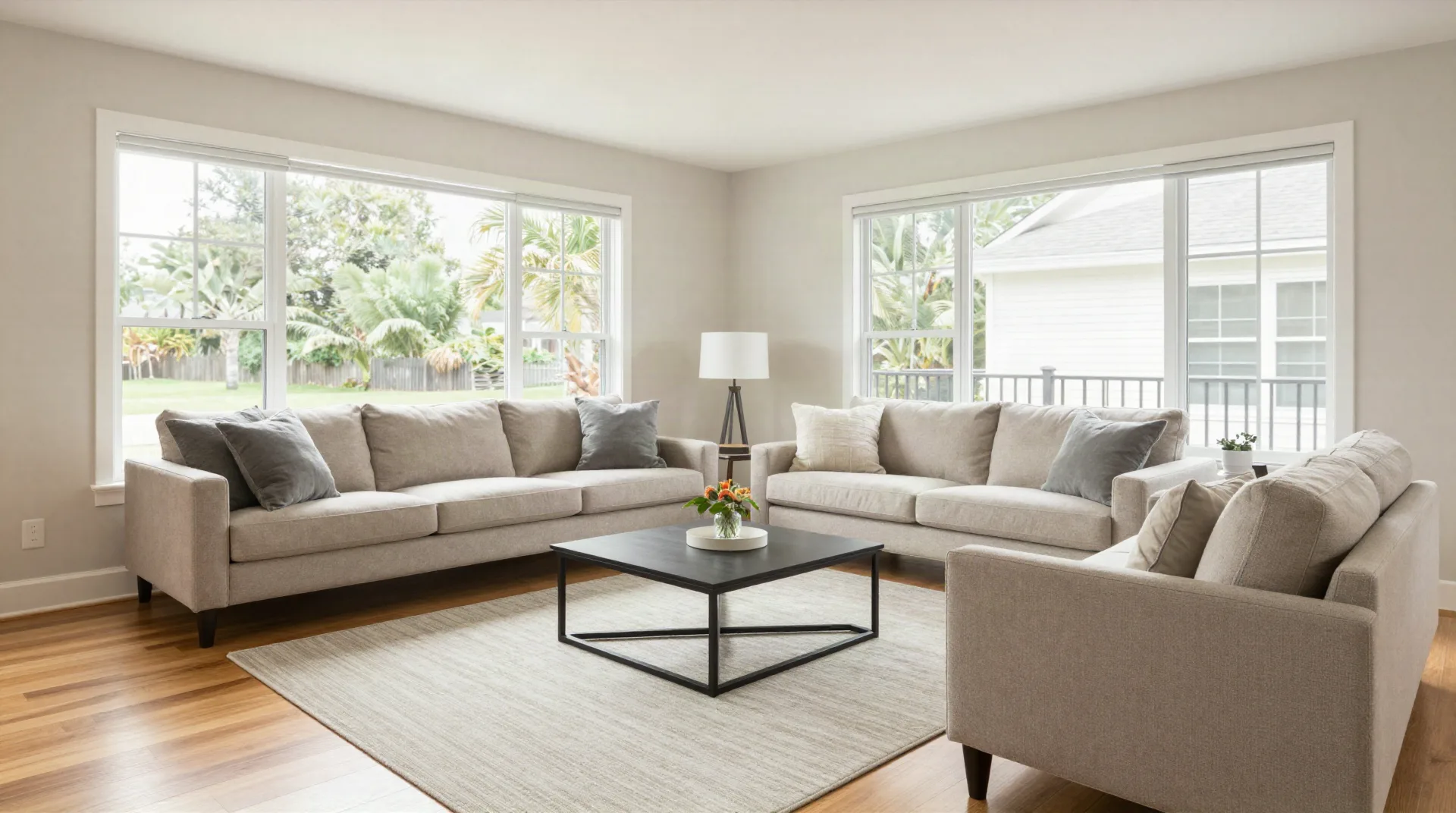
What AI product photography does for a home listing
Six things to know before you pay for editing, staging, or a reshoot.
Decluttering and brightening
AI removes clutter, boosts exposure, and straightens lines in minutes. Costs $0.10 to $2 per photo instead of a $150 to $300 reshoot.
Virtual staging
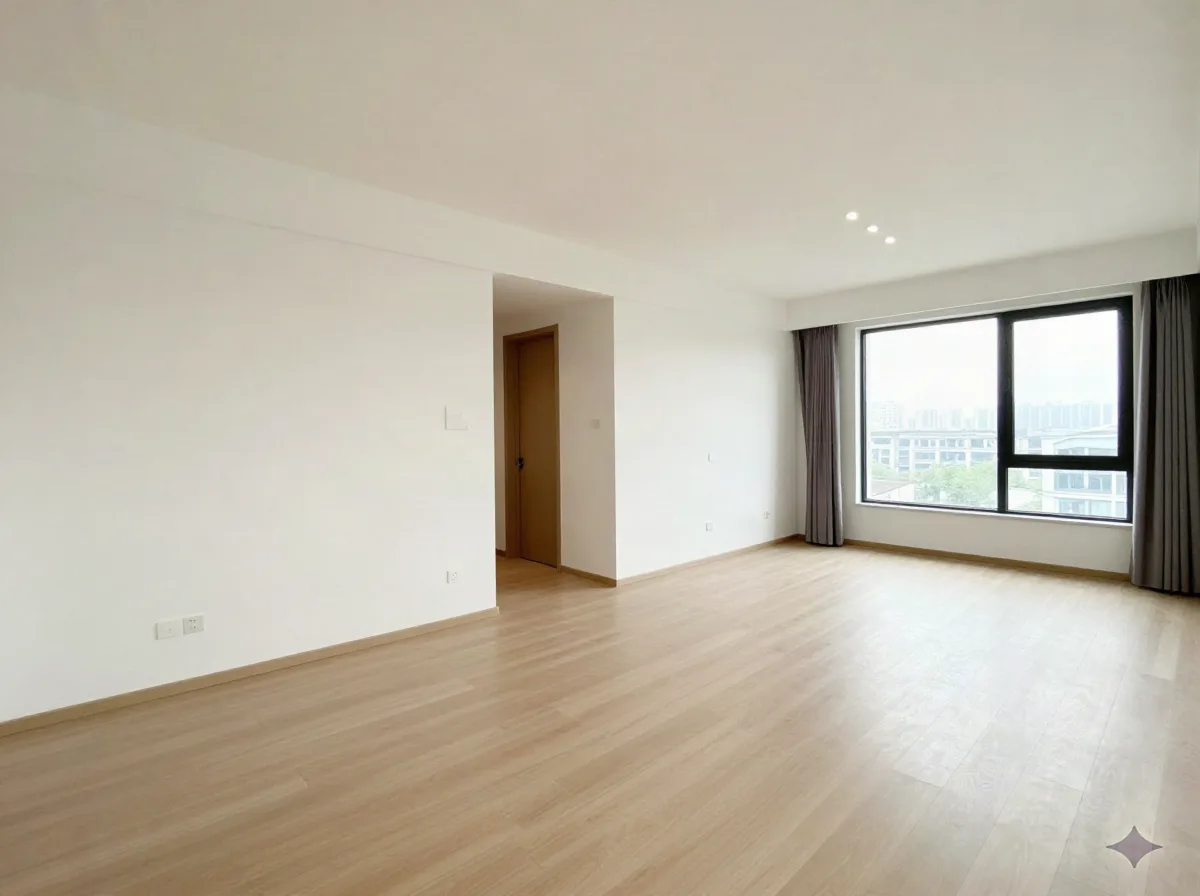
Empty rooms get furniture added digitally for $50 to $200 per room, instead of $500 or more to rent and deliver real furniture.
Consistent photos at scale
Landlords and flippers can batch-edit dozens of units in one style instead of booking a photographer for every property.
Disclosure, not concealment
Most MLS boards now require a 'digitally altered' or 'virtually staged' label. California's AB 723 made written disclosure state law as of January 2026.
What it can't fix
AI photography can't legally erase a cracked foundation, mold, or a bad roof from a listing photo. An inspector finds those anyway, disclosed or not.
The real payoff
Homes with professional-grade photos sell roughly 32% faster and for about $3,400 more on average. AI gets you close to that lift for a fraction of the cost.
Skip the $300 photographer, not the honesty
If you're selling without an agent, a phone photo cleaned up with an AI tool gets you most of what a professional shoot delivers: brighter rooms, straighter lines, no laundry pile in the corner. That runs about $0.10 to $2 per photo instead of $150 to $300 for a full shoot of 20 to 30 images.
- Editing: $0.10 to $2 per photo
- Full professional shoot: $150 to $300
- Turnaround: minutes, no appointment needed
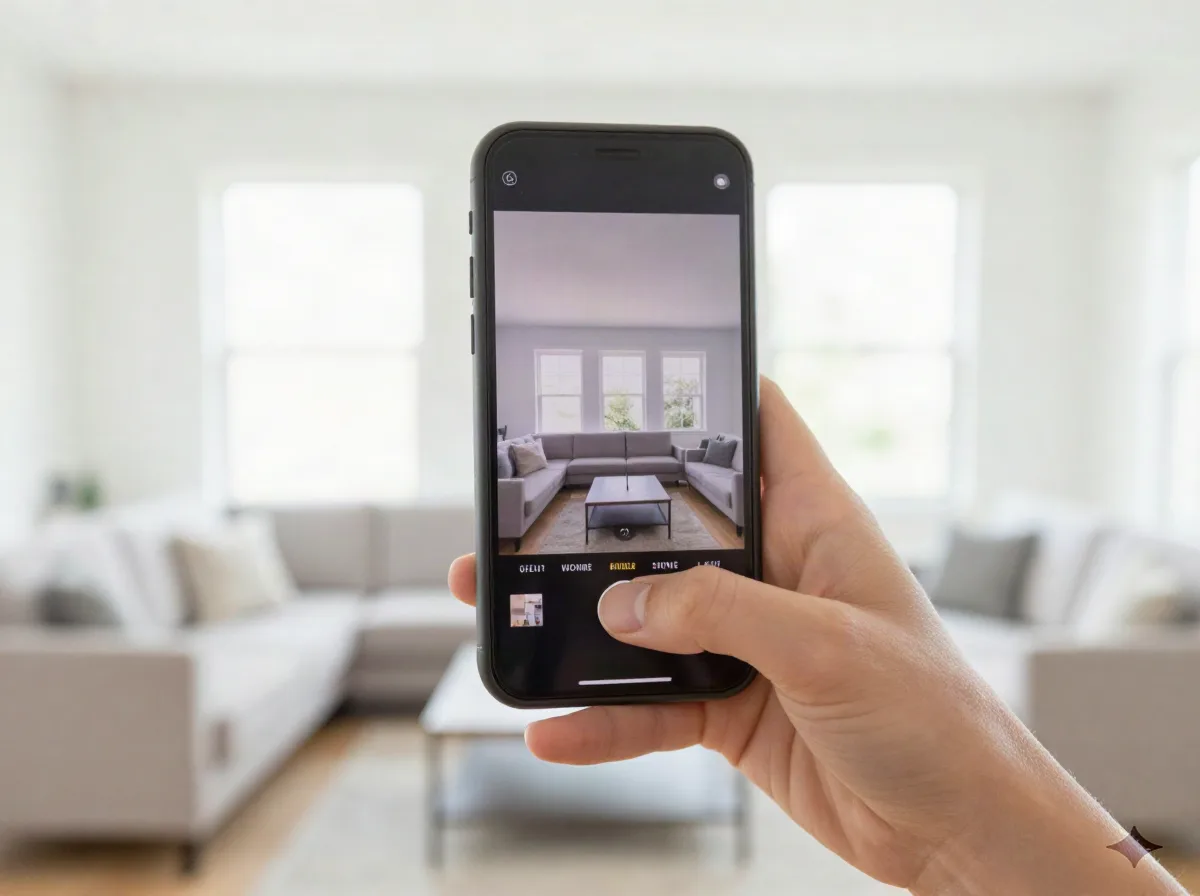
One consistent look across every unit
Managing five rentals used to mean five separate photo shoots. An AI editing pass applied the same way to every listing gets every unit looking consistent by the same afternoon you do the walkthrough, at a fraction of the per-property cost.
- Subscription tools: $10 to $50 a month for unlimited edits
- Traditional photographer: $150 to $300 per property, every time
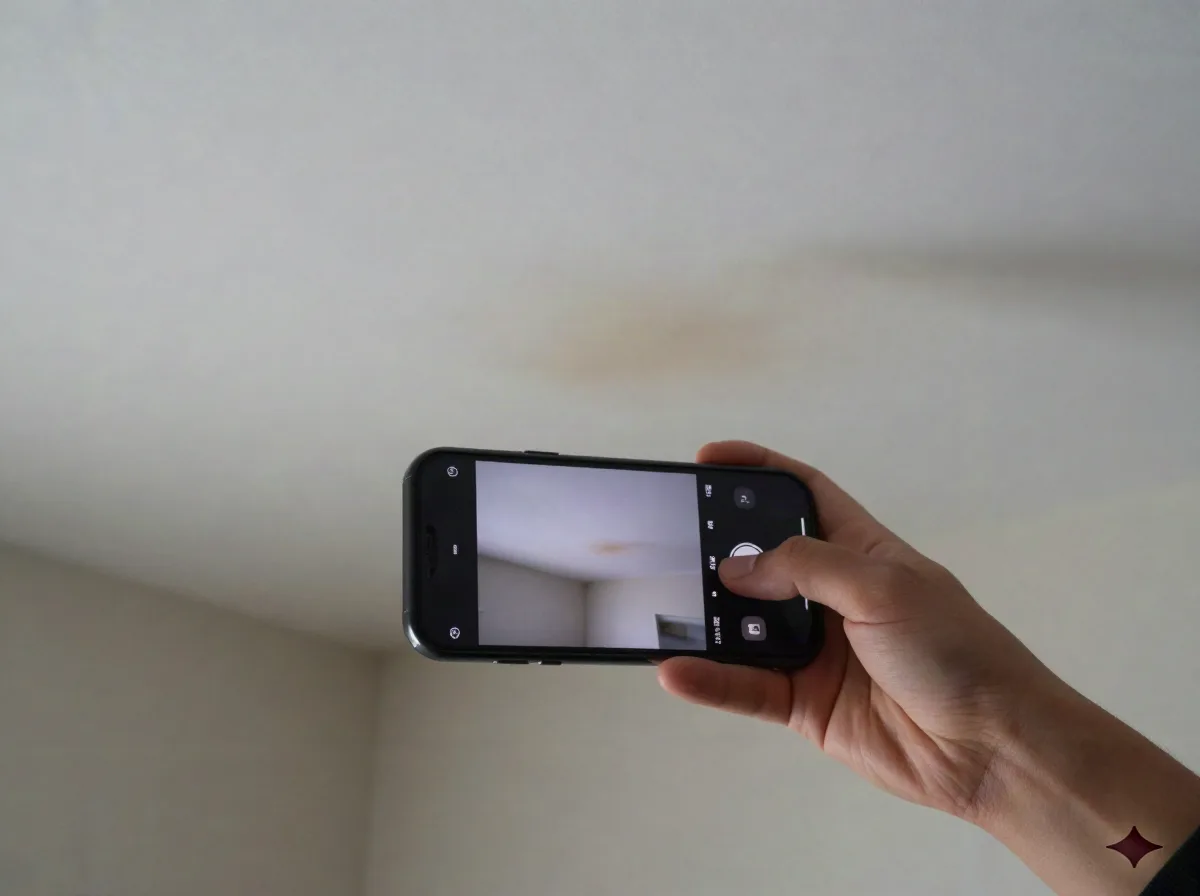
Check what's under the photo first
A bright AI-edited photo of a water-stained ceiling is still a photo of a water-stained ceiling, and most states now require you to say the photo was altered. Upload the same picture to Pic2Quote first and get a real repair cost range before you decide whether to fix it, disclose it, or price around it.
- No login required
- Cost range in under a minute
- Based on real contractor pricing data, not a guess
The numbers behind listing photos
AI product photography: common questions
Is AI product photography legal for real estate listings?
How much does AI product photography cost compared to a real photographer?
Can AI photo editing hide damage from buyers?
Does virtual staging actually help a house sell?
What's the difference between AI product photography and Pic2Quote?
Should I fix a problem or just edit around it in photos?
Do I need a professional to use an AI photography tool?
Know what you're really listing before you edit the photo
Upload a photo of the repair you're unsure about and get a real contractor-based cost range in under a minute.