Cost to Replace Siding in 2026: What a Fair Quote Costs
Summary
The cost to replace siding in the US runs about $6 to $15 per square foot installed, or $12,000 to $25,000 for a 2,000 square foot house. Vinyl is cheapest, fiber cement costs more but lasts longer and recoups more at resale, and rot repair is the wild card. This guide breaks down prices by material, hidden costs, DIY limits, and what a fair contractor quote must list.
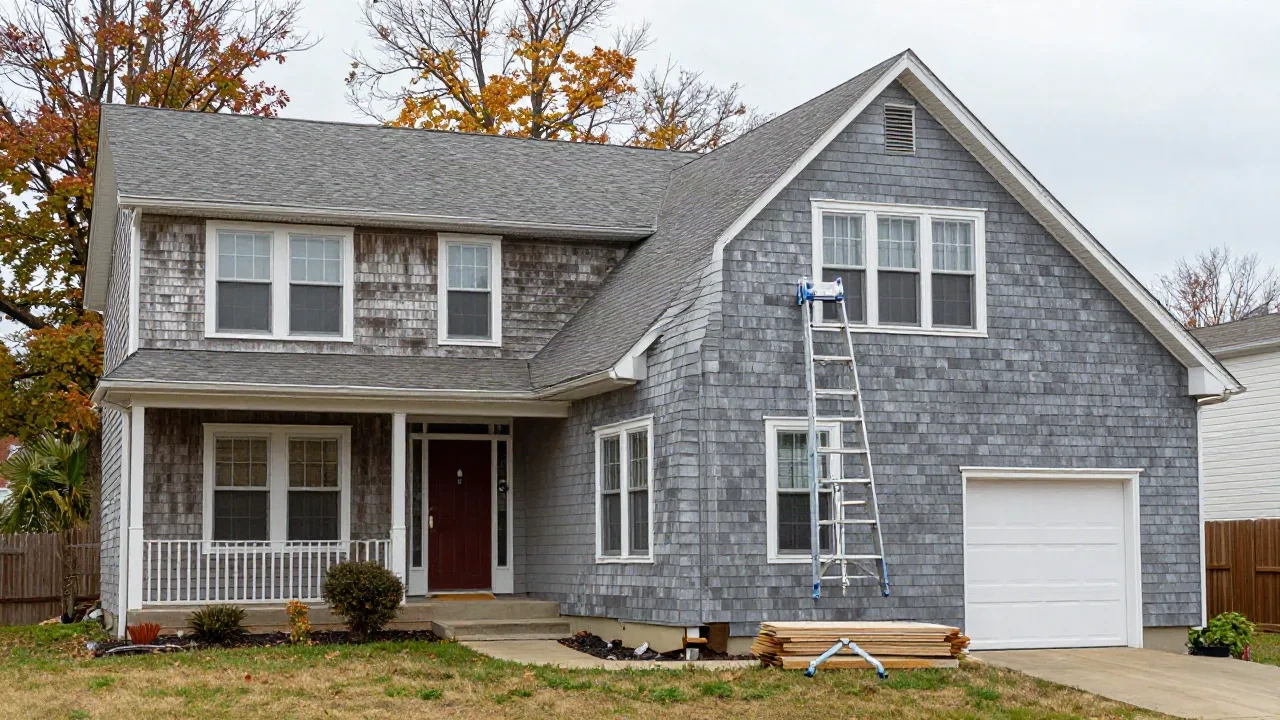
The cost to replace siding on a typical American home runs $6 to $15 per square foot installed, which usually lands between $12,000 and $25,000 for a 2,000 square foot house. Vinyl sits at the low end, fiber cement in the middle, and wood or specialty products at the top. Here's what it should cost for your house, what pushes a quote up, and which numbers on a bid should make you walk away.
How much does it cost to replace siding on an average house?
Start with the per-square-foot range, because every honest quote is built on it. Across the major cost guides, installed prices land around $4 to $12 per square foot for vinyl and $6 to $15 for fiber cement. Metal and wood run higher, roughly $6 to $20 depending on the product and the finish.
Now convert that to a house. Hover's national figures put a 1,500 square foot home at about $9,000 to $20,000 and a 2,000 square foot home at $12,000 to $25,000. That is a wide spread, and the width is the point: material choice, story count, and how much rot is hiding under the old boards decide where you land.
One thing the guides skip. They quote "home square feet," but your contractor bills by wall area. A two-story colonial can have far more wall than its floor area suggests, so ask for the measured wall square footage on the quote, not a guess.
What does each siding material actually cost per square foot?
Here is the realistic installed range by material, pulled from current 2026 cost guides and rounded so you can sanity-check a bid:
Vinyl: $4 to $12 per square foot installed. Most basic lap jobs on a 2,000 square foot wall area come in around $8,000 to $18,000.
Insulated vinyl: $5 to $18 per square foot. You pay extra for the foam backing, which helps with dents and a bit with energy bills.
Fiber cement (James Hardie style): $6 to $15 per square foot. This Old House puts the national project average at $14,674 for a typical home, with labor alone at $2 to $8 per square foot.
Wood and cedar: $6 to $20 per square foot, plus repainting or restaining every few years.
Metal: roughly $6 to $14 per square foot, and loud in a hailstorm.
Stucco: $7 to $17 per square foot, and a bad fit for wet climates.
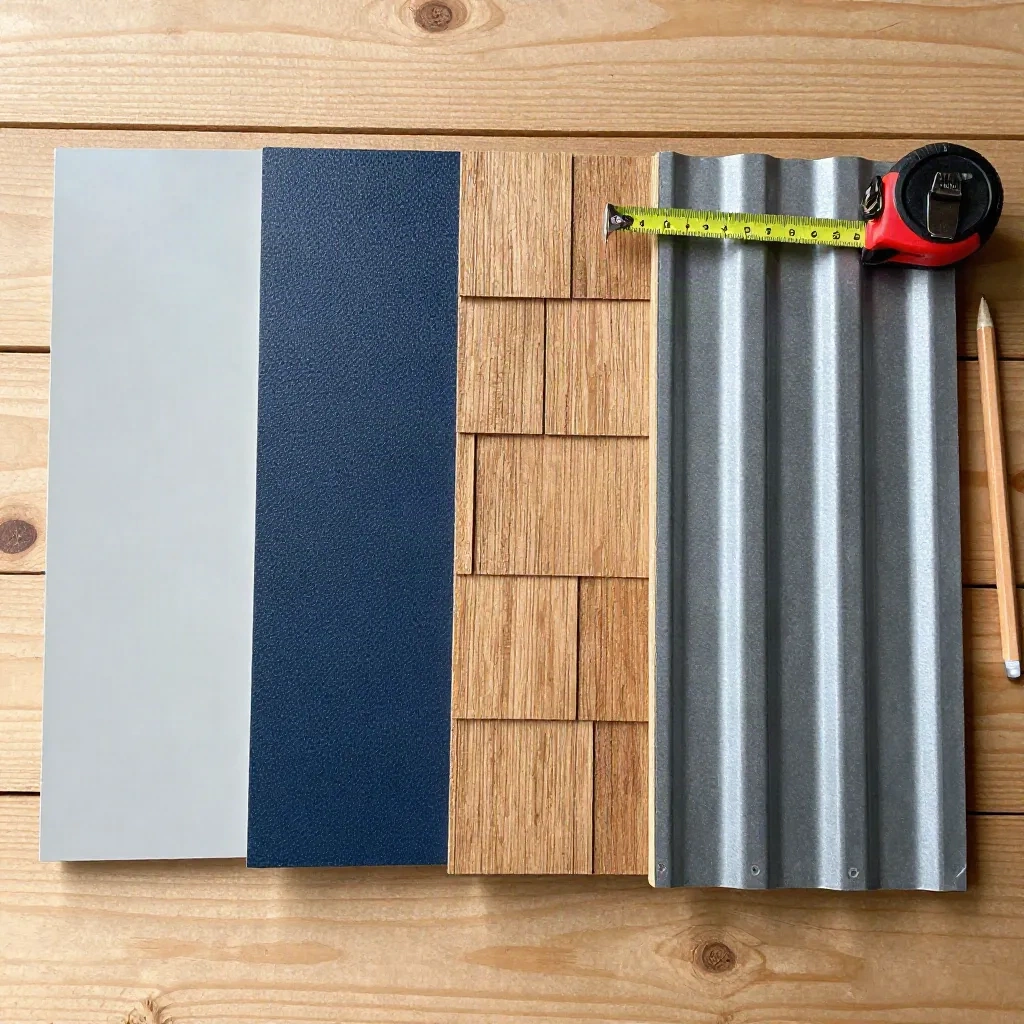
Skip wood unless you love maintenance or live in a historic district that demands it. Worth the splurge: fiber cement, if you plan to stay 10 years or more. It resists fire, moisture, and pests, and a good install can last 30 to 50 years.
What would a real 2,000 square foot job cost?
Say your wall area measures 2,000 square feet, which is a normal figure for a two-story house of about 1,500 square feet of floor space. Here are three scenarios using the ranges above:
Basic vinyl, one trim package: at $6 to $9 per square foot installed, expect roughly $12,000 to $18,000.
Mid-grade fiber cement: at $9 to $15 per square foot, expect roughly $18,000 to $30,000.
Fiber cement plus rot repair and new trim: add a few hundred to a couple thousand dollars for sheathing, and more if the damage runs along a whole wall.
The national average is one number, but where you live moves it a lot. In a high-cost metro on the coasts, labor can run well above the Midwest, and the same vinyl job may cost noticeably more than it would in Indiana or Ohio. That is why a national range only helps you spot a quote that is wildly off, not one that is $500 high.
Why do two quotes for the same house differ by $8,000?
Because the quotes are rarely for the same job. When I see a gap that big, it is almost always one of four things.
Material grade. "Vinyl siding" can mean thin builder-grade panels or a thick premium line with a lifetime warranty. Same word, double the price.
What is under the siding. One bid includes new house wrap, flashing, and trim. The other reuses what is there. The cheaper one looks great until the first wind-driven rain.
Tear-off and disposal. Removing old siding runs about $0.70 to $2 per square foot, and some contractors bury it in the total while others list it separately.
Story count and access. A second story adds scaffolding or lift time. Labor on a two-story home can sit at the high end of the $2 to $8 per square foot range.
Before you sign anything, check this: do the two quotes name the same brand, product line, thickness, and color, and the same trim package? If not, you are comparing apples to lumber.
What hidden costs blow up a siding budget?
The big one is rot. You cannot see it until the old siding comes off, and then it is too late to shop around.
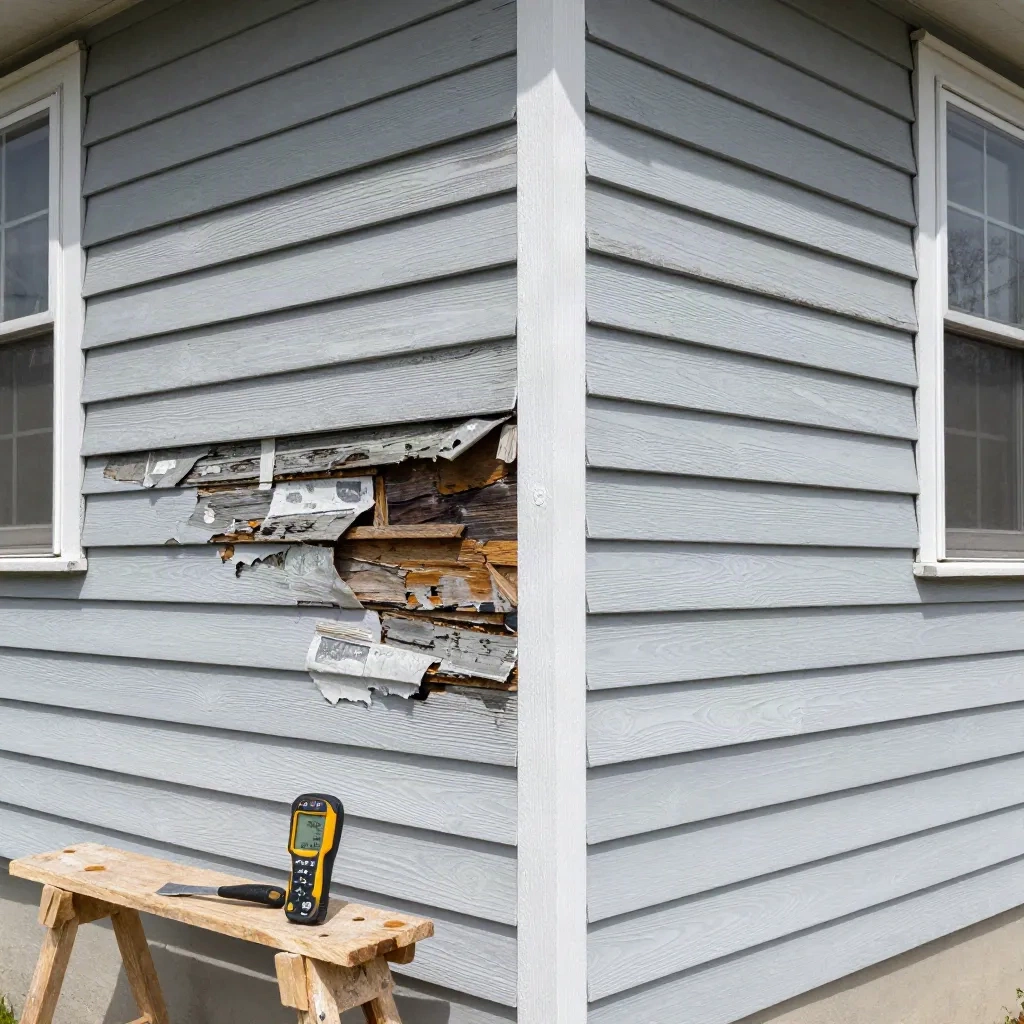
This Old House lists dry rot repair anywhere from about $100 for a small patch to as much as $25,000 on a house with widespread damage. Mold remediation, if it shows up, can run $9 to $23 per square foot of affected area. Most houses land near the small end, but a leaky window corner or a missing flashing detail can turn into a few sheets of replacement sheathing.
Other line items to expect:
Window and door trim. Often priced per opening, and easy to leave off a lowball bid.
Soffit, fascia, and gutters. Some crews have to pull the gutters to side properly, then rehang them.
Insulation or foam board. Worth asking about if you are re-siding to cut your energy bill.
Building permit. Many towns do not require one for like-for-like re-siding, but some do, especially with structural repairs. Ask whether the price includes it.
Lead paint rules. On homes built before 1978, contractors disturbing old paint must follow EPA lead-safe practices, which adds labor.
Red flag: if your contractor quotes a flat number with zero allowance for rot repair, ask what happens when they find it. A good quote says "rotted sheathing replaced at $X per sheet." A bad one says nothing and surprises you with a change order.
Is DIY siding worth it, or should you hire a licensed contractor?
For vinyl on a simple one-story ranch, a handy homeowner can save the labor share, roughly $2.15 to $5.25 per square foot according to This Old House. That can be several thousand dollars. But you need the right tools, a second pair of hands, and the patience to get flashing and nailing right, because a siding job that looks fine can still leak.
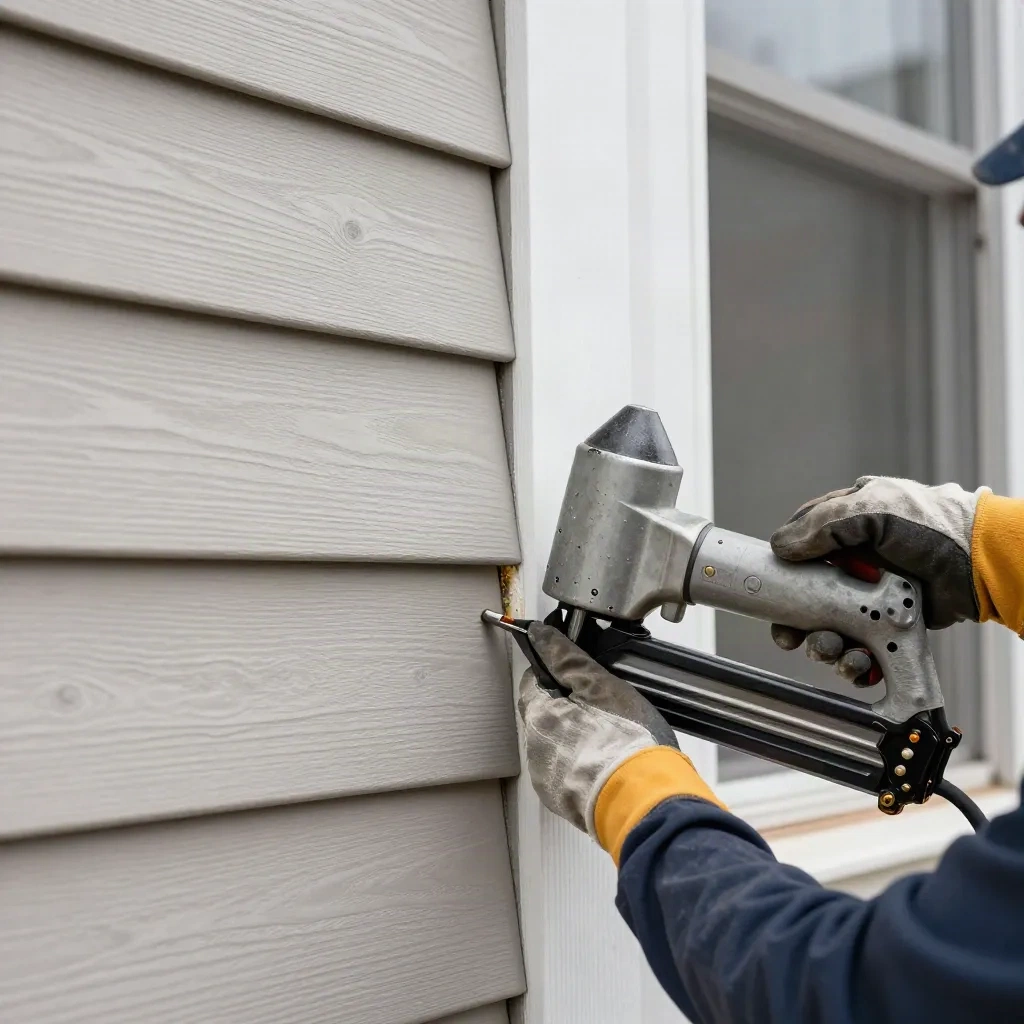
Fiber cement is a different story. It is heavy, cracks if handled wrong, and releases silica dust when cut, so it needs dust-controlled saws and proper protection. This Old House recommends professional install, and so do I. Also keep in mind that manufacturer warranties on many products depend on a qualified install.
Here is the rule I use: DIY the repair of a few damaged panels, which typically costs $2 to $4 per square foot. Hire out the full replacement, especially on two stories. Whoever you hire, verify their state license where one is required, ask for proof of general liability and workers' comp insurance, and get the workmanship warranty in writing, separate from the materials warranty.
What do you get back at resale?
Siding is one of the few big projects that pays you back. In the 2025 Cost vs. Value Report, fiber cement siding replacement cost an average of $21,485 and recouped about 114 percent at sale, per the Journal of Light Construction cost vs. value data. Vinyl replacement averaged $17,950 and recouped about 97 percent.
Treat those as national benchmarks, not a promise. They are based on a 1,250 square foot job spec, and real returns swing by market. Still, the pattern is useful: you will not make a fortune on vinyl, but you will get most of your money back, and a worn exterior can hurt your sale price and slow down offers.
If you are selling in the next year, vinyl is usually the smarter spend. If you are staying put, fiber cement's longer life makes its extra cost easier to justify.
How do you get three comparable quotes without getting hounded?
Get at least three written bids for the same scope. Give every contractor the same spec: material, brand, color, trim, house wrap, tear-off, and disposal. Then compare line by line.
Quote platforms can speed this up, but they work differently. Some sell your lead to several contractors at once, so expect phone calls. Others let you browse pros first. Compare how each one handles your contact details before you submit a form.
Whichever route you pick, a fair bid should include the measured square footage, brand and product line, a line for tear-off, house wrap, flashing, trim, permit status, rot repair terms, start and finish dates, payment schedule, and both warranties. If a contractor wants more than a third up front, or pushes you to sign today for a "discount," that is your cue to leave.
Timing matters too. Late fall and winter can be slower for exterior crews in many regions, so you may have room to negotiate. In cold climates, though, some vinyl installs are best done in milder weather.
Should you just pick the cheapest bid? Not on siding. The lowest number often skips house wrap, flashing, or trim, or uses thin panels. The most expensive bid is not automatically the best either.
What I'd actually do: throw out the highest and lowest, then pick between the middle bids based on references, warranty terms, and how clearly they wrote the scope. Ask to see a finished job that is at least three years old.
Prices vary by location, material quality, and contractor. Use these ranges as a starting point, not a binding estimate. A photo of your house and the measured wall area will get you a tighter number than any national average.