How Much Does It Cost to Replace Windows? 2026 Prices
Summary
How much does it cost to replace windows in 2026? A 1,000-homeowner survey averages $517 per installed window and $7,183 per project, while contractors quote $630 to $1,600 for vinyl. Frame and glass swing the price by about $100 a window. Installation and hidden repairs move it more, and 27% of homeowners paid above quote. Get three itemized quotes and budget 10 to 15 percent extra.
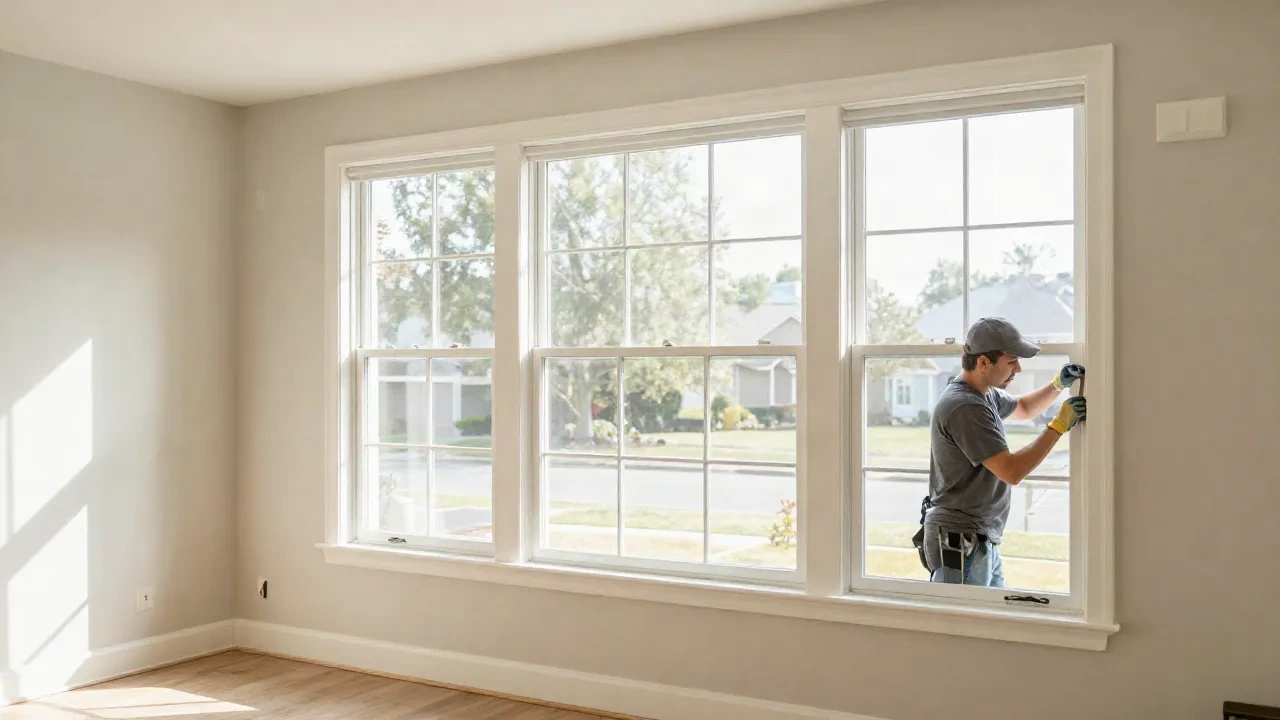
How much does it cost to replace windows in 2026? Plan on roughly $500 to $1,000 per window installed for standard vinyl, and about $7,000 for a typical seven-window project. Fiberglass, wood, bay units and full-frame installs push that higher, sometimes past $1,500 per opening.
Those are national numbers, so treat them as a starting line. Your zip code, your siding and the condition of the wood behind the old frame can move the final quote by thousands of dollars.
What do homeowners actually pay per window?
The cleanest recent data comes from a This Old House survey of 1,000 window customers. Homeowners paid an average of $517 per installed window and $7,183 per project, and the typical project covered seven windows.
Cost calculators tell a slightly different story. Homewyse, which prices the window and the labor separately, lands at about $632 to $967 per window for a standard double-pane vinyl unit with basic installation. Manufacturer and contractor guides often quote $800 to $1,600 for vinyl and $1,100 to $2,200 for fiberglass or wood.
Why the gap? Surveys average everything people bought, including cheap single-pane units and small bathroom windows. Contractor guides price what a salesperson will quote you at the kitchen table, with trim, disposal and a margin built in.
My read: budget $600 to $900 per window for a normal double-hung vinyl replacement, and treat anything under $450 installed as a number that needs an explanation.
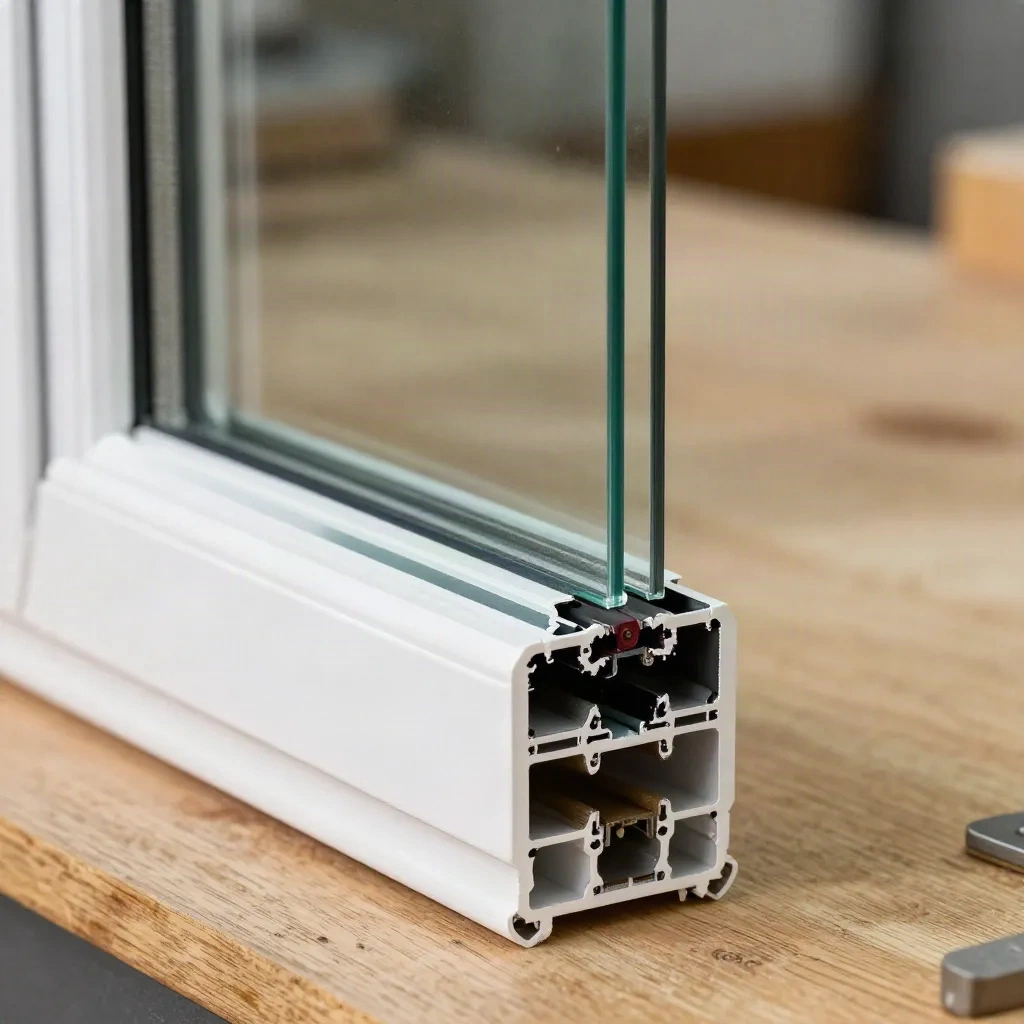
What drives a window quote up or down?
How much does the frame material change the price?
Material is one of the biggest levers on the quote, though less dramatic than most sales pitches suggest. In the same survey, average per-window prices were:
Aluminum: $453
Vinyl: $472
Composite: $513
Wood: $544
Fiberglass: $564
That is a spread of about $110 per window between the cheapest and the priciest frame. On seven windows, you are looking at under $800 of difference in materials.
Where the bigger gaps show up is in contractor quotes for custom wood, clad wood and large fiberglass units, which can run well above the survey averages. Skip wood unless your house is old enough that the look genuinely matters, or a historic district forces your hand. For most homes, vinyl with a good double-pane glass package is the value play.
Does glass type matter more than the frame?
It can. Survey averages came in at $400 for single-pane, $529 for double-pane and $609 for triple-pane glass packages. Double-pane was by far the most popular choice, picked by 76% of buyers.
Triple-pane is worth a look if you live in a cold climate or next to a loud road. In Phoenix or Houston, you are usually better off paying for low-e coatings that cut solar heat gain than for a third layer of glass.
Impact-rated glass is a separate category. If you live in a hurricane zone, local code may require it, and it can add a lot to the price. Ask the contractor to show you the code citation, not just the upsell.
What do installation and labor add?
Labor is where quotes diverge most. An insert (pocket) replacement keeps your existing frame and trim, slides the new window in and seals it. It is the cheaper path and works well when the old frame is square and dry.
A full-frame replacement strips everything down to the rough opening. It costs more, but it is the right call when you find rot, water damage or a frame that is out of square. Second-story windows, custom sizes and homes with brick or stucco exteriors also add labor.
For a standard job, Homewyse puts basic labor at roughly $283 to $441 per window, with removal and debris disposal on top. Contractors in high-cost metros like San Francisco, Boston or New York often charge two to three times what a contractor in Missouri or Ohio does for the same work.
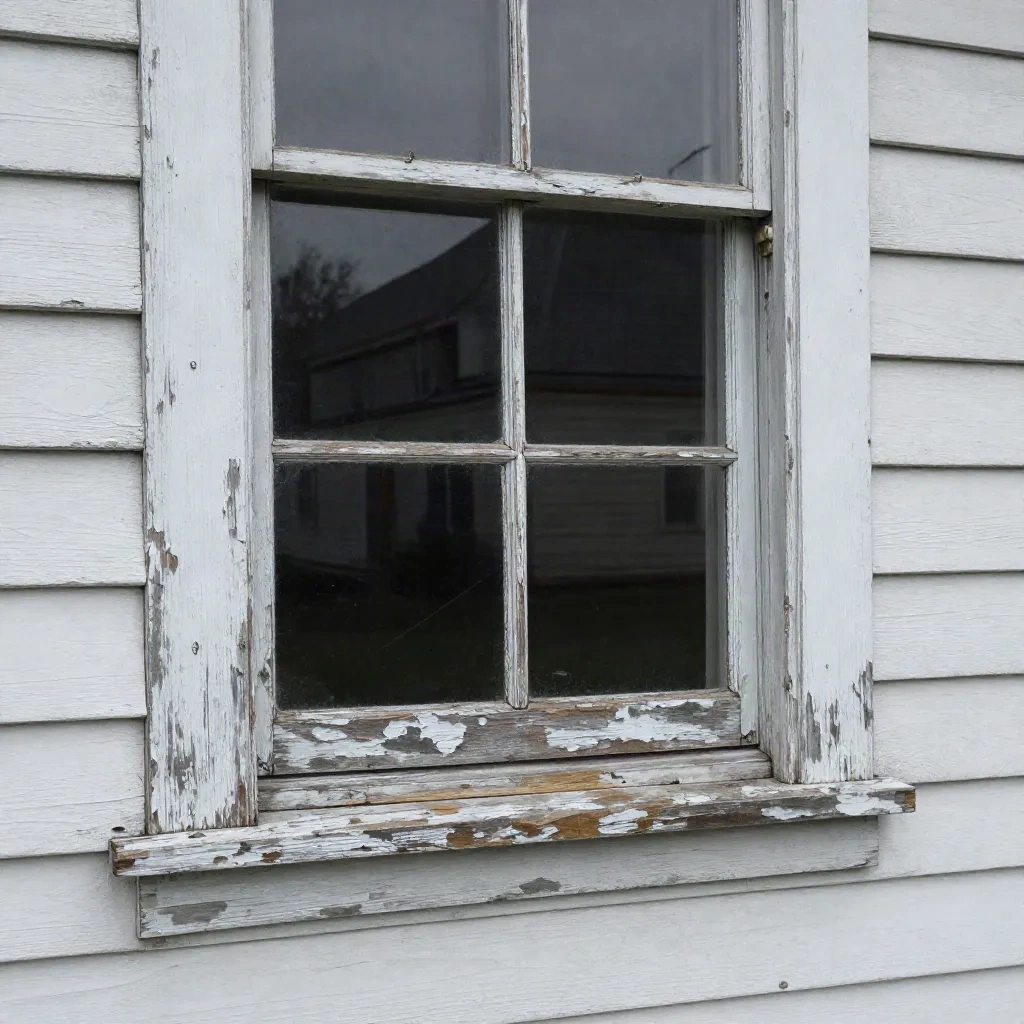
What costs show up after you sign?
This is the part nobody puts on page one of the estimate. In the survey, 61% of homeowners said the final cost matched the original quote. Another 27% paid more than quoted, 14% reported unexpected costs, 11% needed follow-up work and 9% had damage to walls or trim.
The usual suspects:
Rot behind the old frame, found only after the window comes out
Interior trim, paint and drywall repair, often excluded from the base price
Exterior capping or flashing work
Permits and inspections, which vary by city and county
Haul-away and disposal fees, if they are not bundled in
Lead-safe work rules in homes built before 1978
Ask for a written estimate that lists each of those lines as included or excluded. A quote that just says "install 8 windows, $9,800" is not a quote you can compare.
Should you replace everything at once, DIY it, or repair?
Is it cheaper to replace all your windows at once?
Usually, per window, yes. Contractors spread their setup, travel and disposal costs across more units, and many offer package pricing for bigger jobs. Typical projects have been shrinking, though: the survey average fell from about nine windows in early 2025 to seven in 2026.
If cash is tight, replace the worst windows first. Broken seals, rotted sills and windows that will not open or close should jump the line. A window that is merely old, and still operates, can wait.
If you plan to do the whole house over the next few years, get a price for the full job anyway. Then you can see what the discount is worth before you decide to phase it.
Which window style costs the most?
Less than you would think. In the survey, eight common styles averaged between $474 and $551 per window. Single-hung was the cheapest at $474, casement came in at $529, picture at $540, awning at $545, bay at $550 and double-hung at $551.
Style matters more for installation than for the sticker price. Bay and bow windows can need extra structural support, and glass block often needs masonry work. A big picture window is simple to set but heavy, so it may need a second installer.
If you are trying to save money, standard sizes are the easiest lever. Custom dimensions can add real money per unit and weeks to the lead time, so ask whether a stock size will work before you commit.
Can you save money by installing windows yourself?
On paper, yes. If basic labor runs $283 to $441 per window, a seven-window house carries roughly $2,000 to $3,000 in labor. That is the money a DIYer hopes to keep.
In practice, a bad install costs more than it saves. Flashing mistakes let water into the wall, and you may not notice for a year. Poorly sealed units leak air, which defeats the point of new windows. Many manufacturers also tie their warranty to professional installation, so read the fine print first.
My rule: DIY a ground-floor insert replacement only if you are comfortable with a level, a utility knife and expanding foam, and you have done a window before. For second-story units or full-frame jobs, hire a licensed contractor.
Should you repair instead of replace?
Often, yes. Worn weatherstripping, a cracked pane, a failed balance or a sticking sash can be fixed for a fraction of a new unit. Re-caulking and weatherstripping an entire house of windows can cost less than replacing one or two.
Replace when you have several problems at once: fogging between panes, rot, drafts you cannot seal and hardware you cannot get parts for. Replace also if a contractor tells you the frame itself is compromised and shows you the soft wood with a screwdriver.
Be wary of anyone who says every window in the house needs to go on a first visit with no testing. A real assessment includes opening each sash and probing the sills.
Will new windows pay for themselves?
Not quickly. About 36% of homeowners with double-pane windows reported lower monthly energy bills, and the most common saving was $25 to $49 a month. That is roughly $300 to $588 a year. At $7,000 or more for the job, the payback runs well past a decade.
Replace windows because they are damaged, drafty or failing, not because a salesperson promised the project will cover its own cost. Comfort, noise reduction and fewer drafts are real benefits. A big energy bill drop is not guaranteed.
Also check the tax angle before you count on it. The federal energy efficient home improvement credit applied to qualifying improvements through December 31, 2025, per the IRS. For a 2026 install, look instead at state programs and your utility's rebate page.
How do you get quotes you can trust?
Get at least three written quotes, and make sure each one covers the same window brand line, frame material, glass package and scope of work. If one quote is $3,000 lower, find out what is missing before you celebrate.
Verify the contractor's state license where one is required, and ask for a certificate of liability insurance. Ask about the workmanship warranty separately from the manufacturer's product warranty. Both matter, and they are not the same thing.

Marketplaces can help you collect bids quickly. They are lead-generation businesses, though: contractors pay for the leads, so expect phone calls from several companies. Here is how the big three work.
Use them to build a price range, not to pick a winner. Photos of every window, with measurements, make bids from different companies far easier to compare, and a photo-based estimate tool like Pic2Quote can give you a reality check before the first salesperson arrives.
What would we actually do?
If your windows are failing, get three quotes, pick vinyl double-pane unless you have a reason not to, and ask for full-frame pricing only where an inspection shows rot. Expect about $600 to $900 per window in most of the country, more on the coasts.
Hold back 10 to 15 percent of the budget for surprises. And do not sign on the first visit, no matter how good the "today only" discount sounds.
Prices vary by location, material quality, and contractor. Use these ranges as a starting point, not a binding estimate.