Roof Replacement Cost: 2026 US Price Guide by Material
Summary
Replacing a roof in the US costs $8,000 to $14,000 for asphalt shingles in 2026, depending on material, home size, and location. California homeowners pay up to $22,000; Texas, as low as $8,500. This guide breaks down roof replacement cost by material type, state, and what a line-by-line contractor quote should actually look like, so you know if the number on that paper is fair or inflated.
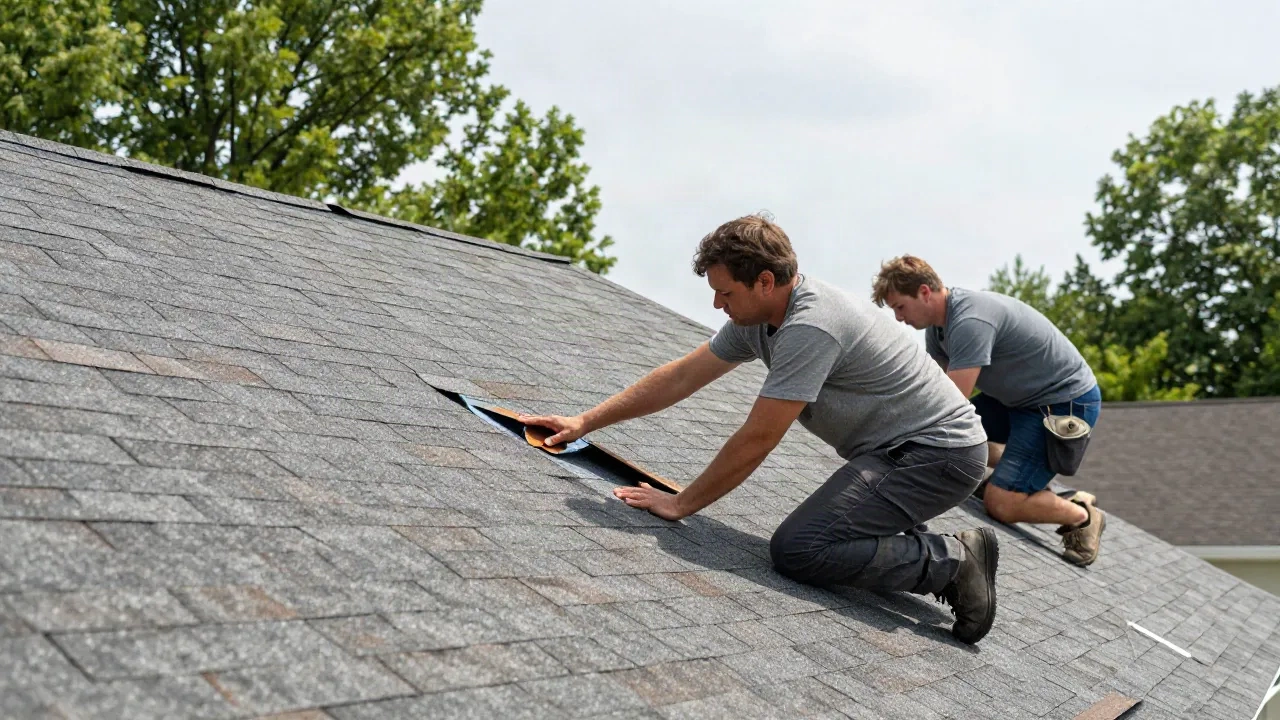
The national average roof replacement cost in 2026 is $8,000 to $14,000 for asphalt shingles on a typical 2,000-square-foot home. That range jumps to $35,000 for metal and clears $60,000 for slate. Where your job lands depends on three things: the material you choose, your state's labor market, and whether your contractor's quote actually reflects the scope of work. Before you sign anything, here is what those numbers mean and where your project is likely to land.
What Does Roof Replacement Cost in the US Right Now?
The national average for roof replacement in 2026 sits around $10,000, with most homeowners spending between $7,500 and $14,000 for architectural asphalt shingles on a 2,000-square-foot home. That breaks down to roughly $4.75 per square foot installed.
At $6,000 to $8,000, you are looking at basic 3-tab asphalt shingles on a simple roofline in a lower-cost labor market. The $9,000 to $14,000 range covers architectural shingles across most US markets at a standard pitch, which is where the majority of projects land. Metal roofing runs $15,000 to $35,000. Clay tile, slate, or copper starts at $20,000 and can exceed $60,000.
These figures assume a straightforward tear-off and replacement on a single layer. Add structural deck repairs, a steep pitch, or two layers of old shingles to remove, and the total climbs fast.
According to industry data from ContractorPlus, the average US residential roof replacement reached $17,631 in 2025, up 33% from the 2021-2024 average, partly driven by tariffs on imported steel and aluminum enacted in 2025-2026.
Roof Replacement Cost by Material: The Range Is Wide
Material choice is the single biggest lever you have. Asphalt dominates the US market because it is relatively inexpensive, widely available, and straightforward to install. But it is not always the right call for your situation.
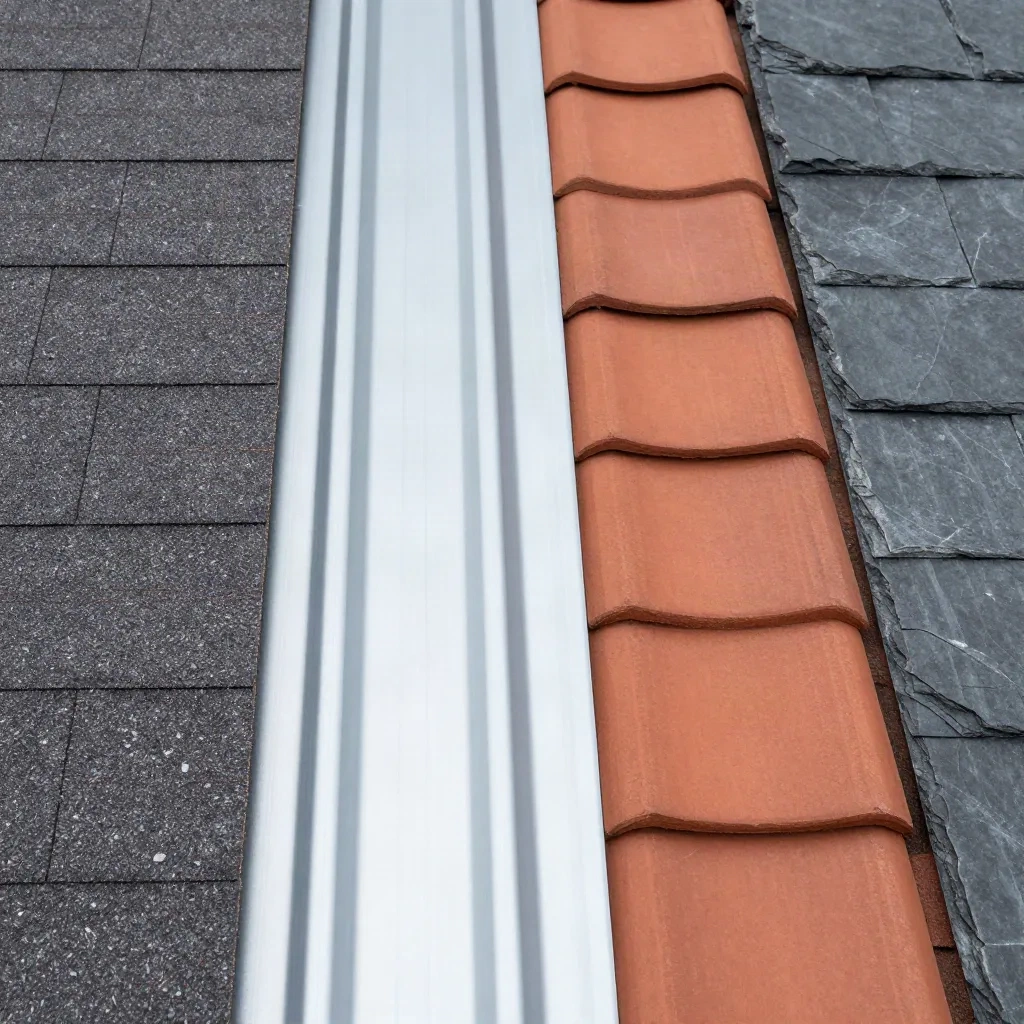
Here is what each material costs on a 2,000-square-foot home, with an honest take on each:
3-tab asphalt, $6,000-$9,000 (lifespan 15-20 yr): The cheapest option. Thinner profile, lower wind resistance. Works for rentals or if you are selling soon.
Architectural asphalt, $8,000-$14,000 (25-30 yr): The most popular choice in the US. Better wind rating, dimensional look, widely available labor.
Metal corrugated, $14,000-$20,000 (40-70 yr): Low maintenance, energy-efficient. Costs more upfront, pays back in longevity.
Metal standing seam, $22,000-$35,000 (40-70 yr): Near-zero leak risk on a properly installed job. The premium option among metal systems.
Concrete tile, $14,000-$24,000 (30-50 yr): Heavy. Requires a structural assessment to confirm your framing can handle the load.
Clay tile, $14,000-$28,000 (50-100 yr): Common in the Southwest and Florida. Exceptional lifespan, specialty labor required.
Slate, $20,000-$60,000 (75-150 yr): The benchmark for longevity. Requires specialty installers and premium labor rates.
Copper, $30,000-$60,000+ (100+ yr): Architectural statement material. Specialty installs only.
Worth the investment if you plan to stay in the house 20 or more years and want to stop thinking about your roof. Metal and tile pay off in reduced maintenance and, in hail-prone or coastal markets, lower insurance premiums. Skip the premium materials if you are planning to sell within five years: a standard architectural shingle job satisfies buyers and appraisers without overpaying for longevity you will never use.
Why Your State Changes the Price by $8,000 or More
Where you live can shift your total by 40 to 50 percent. The same scope that runs $9,000 in Dallas costs $16,000 to $22,000 in California. Here are the key benchmarks for a 2,000-square-foot home with architectural shingles, based on state-level pricing data from RoofVista:
California: $16,000-$22,000
Massachusetts: $14,000-$18,000
New York: $13,000-$18,000
New Jersey: $13,000-$17,000
Florida: $10,000-$15,000
Pennsylvania: $11,500-$15,500
Texas: $8,500-$12,000
The drivers of regional pricing:
Labor rates: Northeast crews bill $100-$160 per roofing square (100 sq ft). Texas and the South run $50-$80. Labor is 40-60 percent of your total project cost.
Building codes: Northeast states require ice-and-water shield, adding $1,500 to $3,000. Florida mandates hurricane-rated wind resistance. California enforces cool-roof and fire-resistance standards, particularly in WUI zones.
Seasonal compression: In markets where crews cannot safely work four months a year, contractors price to cover winter overhead. You pay for that downtime in summer quotes.
Here's what it should cost in Texas: $8,500 to $12,000 for a standard architectural shingle replacement. The national average is $10,000, but in Boston or San Francisco expect $14,000 to $20,000 for the same scope.
What's Actually in That Contractor Quote?
A roofing quote should break down into identifiable line items. If it does not, that alone is a problem worth noting before you engage further.
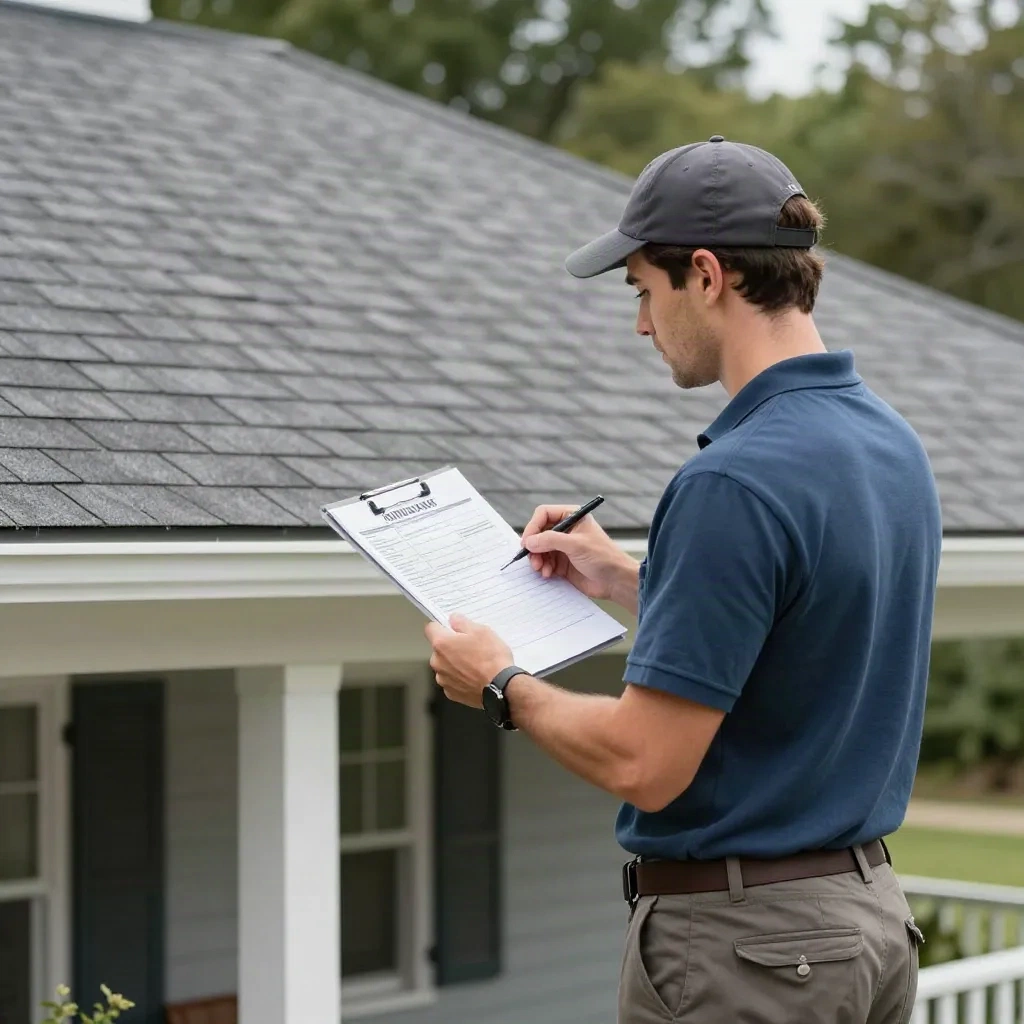
A representative breakdown for a $12,000 job:
Shingles and materials: 35-40 percent of total ($4,200-$4,800)
Labor: 40-50 percent of total ($4,800-$6,000)
Underlayment and ice shield: 5-8 percent ($600-$960)
Tear-off and disposal: 8-10 percent ($960-$1,200)
Decking repairs if needed: $2-$8 per sq ft additional
Building permit: $100-$500
Drip edge, flashing, ridge cap: variable but should be itemized
Before you sign anything, check this: a legitimate quote itemizes each of these categories. A single-line quote that says "roof replacement, $12,500" gives you nothing to evaluate against.
Five questions to ask before signing:
Does the price include the permit fee, or is that billed separately?
What decking damage triggers additional charges, and at what per-square-foot rate?
What is the manufacturer warranty on the shingles? What is the workmanship warranty and for how long?
Are you removing one layer of old shingles or two? A second layer adds $1,000 to $2,000 to tear-off cost.
Is the crew your direct employees or a subcontractor? Subcontractors are common and not inherently a problem, but you want to know who is on your roof.
Remember to verify the contractor's state license and liability insurance before signing. Your state contractor board has an online lookup that takes under two minutes.
Prices vary by location, material quality, and licensed contractor. Use these ranges as a starting point, not a binding estimate.
Red Flag: If a Roofer Quotes You This, Walk Away
Red flag: if your contractor quotes a price with no line-item breakdown, no permit included, and a discount that expires today, that is the storm-chaser playbook.
The warning signs to know:
Quote is $3,000 below every other bid: Either the scope is stripped (they add it back as extras mid-job), the shingles are downgraded without disclosure, or the crew is unlicensed.
Cash only, full amount upfront: Licensed roofing contractors do not require full payment before starting. Industry standard is 10-30 percent deposit, with the balance due on satisfactory completion.
No physical business address or local license number: Ask for the license number and look it up. If they cannot provide one, stop there.
They knocked on your door after a storm: Storm chasers follow hail events and target homeowners while they are anxious and insurance is on their mind. Get three competitive bids from locally established contractors before committing.
Quote includes an insurance handling fee: In most states, contractors cannot legally charge homeowners for filing insurance claims on their behalf. This is a red flag and, in many jurisdictions, unlawful.
Can You DIY a Roof Replacement? The Numbers Tell the Story
Materials for a DIY asphalt shingle job on a 2,000-square-foot roof run $3,000 to $5,000. That sounds like a $5,000 to $9,000 saving. The real cost picture is different.
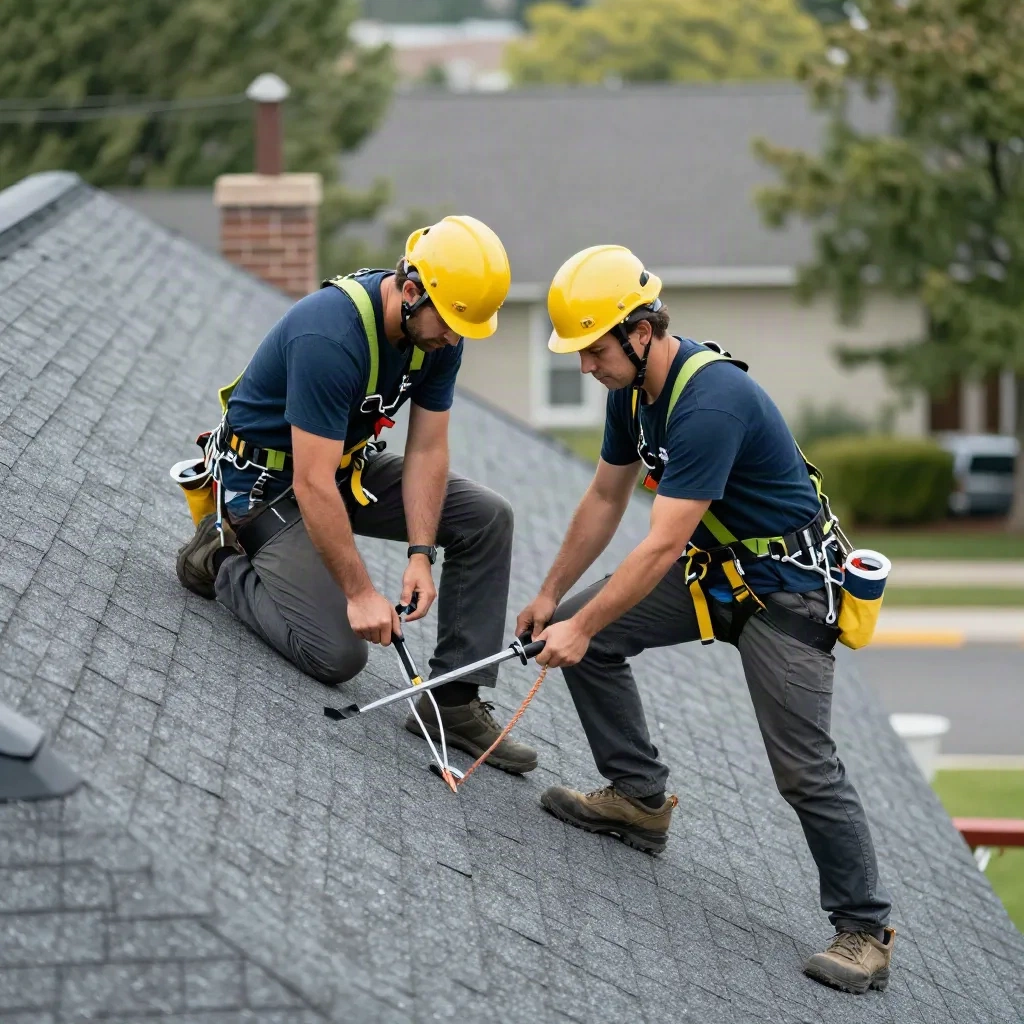
Equipment rental: scaffolding, nail gun, compressor, safety harness system runs $400 to $800 per day
Permit: homeowner permits are available in most jurisdictions, but inspections tend to be more rigorous than on a licensed contractor's pull
Voided warranty: most shingle manufacturers require professional installation. No licensed install means no manufacturer warranty, typically 25 to 30 years of coverage gone.
Liability exposure: if you or anyone helping you is injured, no contractor general liability insurance covers it
The leak risk: a roof installed incorrectly leaks. One poor flashing job can cause $10,000 to $20,000 in interior water damage within two to three years
The math does not favor DIY for most homeowners unless you have genuine roofing experience. The $5,000 to $9,000 you save on a $12,000 job is not worth the voided warranty, the permit complications, or the liability.
Should You Replace or Just Repair? Here Is the Break-Even Point
Not every roof situation requires a full replacement. A licensed contractor who quotes replacement without first discussing repair is worth questioning.
General guidance:
Repair makes sense when the damage is localized, the roof is under 15 years old, the decking is sound, and the repair scope is under $2,500
Replace when the roof is 20-plus years old, has widespread granule loss, multiple active leak points, or buckling shingles across more than one slope
The practical break-even: if repair costs more than 25 to 30 percent of a full replacement estimate, do the replacement. A $3,500 repair on a 22-year-old roof is nearly always money spent on borrowed time.
Get at least three quotes from licensed contractors before deciding. Require each contractor to show their state license and proof of liability insurance before they get on your roof.